“I Chose Music Over Juju”

I Chose Music Over Juju

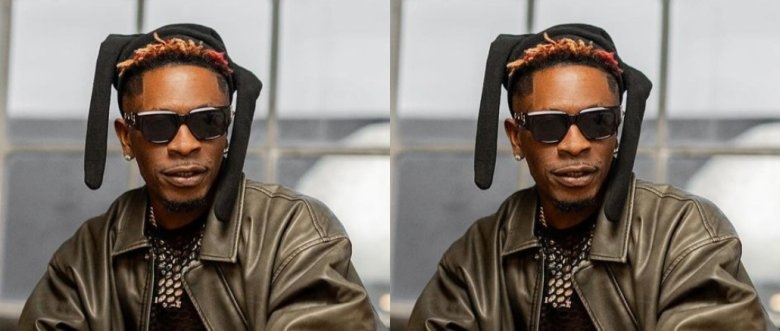
Nigerian singer Peruzzi has sparked widespread online debate after revealing he was once offered spiritual assistance from a babalawo reportedly linked to the success of Afrobeats superstars Wizkid and Davido, but chose to reject it in favor of his faith in his own songwriting talent. The revelation, made during a recent public conversation, quickly went viral on social media, with many Nigerians interpreting his words as a subtle suggestion that the rise of Wizkid and Davido may have been influenced by spiritual practices. Peruzzi’s statement has ignited discussions about the role of spirituality, talent, and hard work in the Nigerian music industry.

Peruzzi explained that a close friend introduced him to the babalawo, claiming the spiritualist had played a key role in the meteoric rise of both Wizkid and Davido. However, the singer firmly declined the offer, emphasizing that his upbringing and personal beliefs do not align with such practices. “I had a friend who once told me he knew a babalawo that did it for Wizkid and Davido, but I refused because that’s not how I was raised and I strongly believe in my songwriting,” Peruzzi stated. His words were shared widely on Twitter and other platforms, prompting reactions from fans, critics, and fellow artists.

Social media users were divided in their responses. Some interpreted the comment as an indirect accusation that Wizkid and Davido relied on juju or spiritual intervention to achieve fame. Twitter user @Eze_Fhay questioned, “This guy is indirectly implying that Wizzy and Davido did juju??” Another user, @realidraphael, added, “So na babalawo dey run am for Davido and Wizkid? And we were here thinking they had talent.” These reactions reflect the deep cultural sensitivity around spirituality in Nigeria’s entertainment space.

Others came to the defense of Wizkid and Davido, arguing that their success is rooted in undeniable talent and relentless effort. @Makuachukwu8 wrote, “Wizkid and Davido has the talent to sing, no babalawo do anything for them.” Some users also mocked Peruzzi’s situation, asking why the same babalawo had not brought him fame if the spiritualist was truly powerful. “You know the babalawo and you’re not famous yet?” joked @okoyeprince6.

The conversation also touched on broader themes in the music industry, with users like @PAtubobienemi highlighting the irony that talented artists often face skepticism while others are praised for effort alone. “Irony is how talent always gets questioned more than effort in this industry,” they noted. As the debate continues, Peruzzi’s comments have added a new layer to ongoing discussions about success, spirituality, and authenticity in Nigerian music. The story underscores how public figures’ words can spark national conversations, especially when they touch on deeply held cultural beliefs.