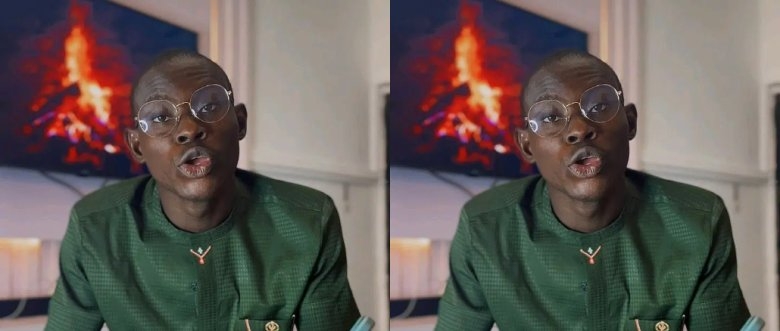
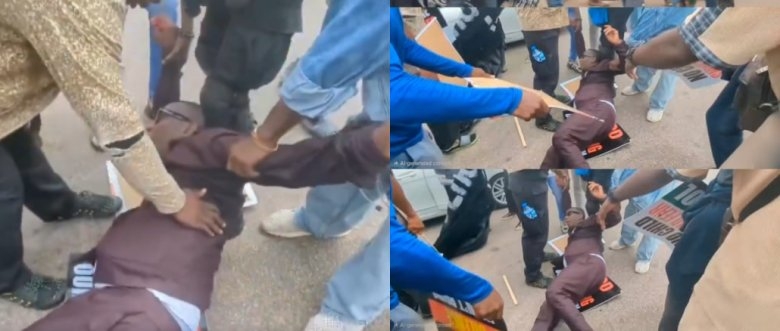
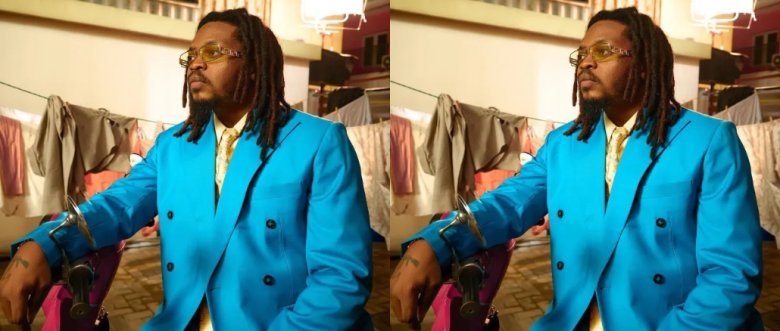
Nigerian media personality GehGeh has raised alarm over the contrasting responses of Nigerian youths and security operatives to the nation’s growing insecurity and leadership challenges, sparking widespread online discussion. In a statement shared on his official social media page, GehGeh highlighted what he sees as a troubling disconnect between the public’s apathy and the actions of law enforcement. He compared Nigeria’s current situation with recent events in South Africa, where citizens reportedly mobilized in unity and received government and police support during national protests. “See how South African people came out to carry out a mission and their government supported them on the low. You see their police force supporting them, too,” GehGeh wrote, emphasizing the contrast.
He criticized Nigeria’s security forces for focusing on minor offenses like cybercrime and petty theft instead of addressing the root causes of insecurity. “But here in Nigeria, our police are looking for yahoo boys and private Chef girls, and the youths are not even ready to stand up to take back their country from these evil politicians,” he stated, underscoring a sense of disillusionment with both institutions and leadership. His comments reflect a broader frustration among many Nigerians who feel that systemic issues are being ignored in favor of symbolic enforcement actions.
Meanwhile, a Nigerian woman has also gone viral after claiming that public reactions to insecurity would be vastly different if an Igbo man were currently serving as president. Speaking during an online discussion on national leadership and security, she accused many Nigerians, including religious leaders, of remaining silent despite the worsening security situation. “If it was an Igbo man that was the president of the country and the country was facing this level of insecurity we have now, Nigerians would have flooded the streets with protest,” she said, suggesting that ethnic bias influences public discourse.
She further argued that influential figures who are typically vocal during national crises have become unusually quiet under the current administration. “Pastors and Daddy G.Os would have been calling him names from the pulpit, but now all of them have gone mute and silent. Everybody knows what they are doing,” she added. Her remarks ignited intense debates online about ethnicity, political accountability, and the role of religious leaders in national discourse.
While some social media users agreed, citing ethnic sentiments as a factor in political criticism, others countered that insecurity has been a persistent issue regardless of who holds office. The conversation has reignited scrutiny over whether certain voices selectively speak out based on political or ethnic affiliations. As Nigeria continues to grapple with rising violence and economic hardship, these discussions underscore the deepening public demand for transparency, accountability, and inclusive leadership. The nation’s future may depend on how seriously these concerns are addressed.
Leave a Comment