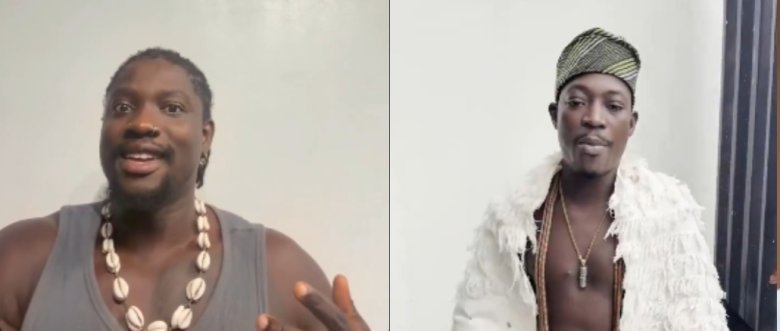
Nigerian social commentator and activist VeryDarkMan has weighed in on the arrest of controversial skit maker DJ Chicken, expressing skepticism about the necessity of the legal action while acknowledging the broader implications of allowing threatening statements to go unpunished. The incident, which sparked widespread discussion across social media platforms, occurred after DJ Chicken made comments that raised public concern and led to intervention by authorities. VeryDarkMan, known for his sharp commentary on Nigerian society and governance, questioned the decision, stating that arresting DJ Chicken seemed disproportionate given the entertainer’s usual profile.
In a viral tweet shared on July 10, 2026, VeryDarkMan wrote: “Whoever arrested DJ Chicken is just wasting his time. Of all the people to arrest, DJ Chicken?” His remarks quickly gained traction, reflecting a segment of public sentiment that views the arrest as an overreach. Despite his initial surprise, VeryDarkMan did not dismiss the authorities’ rationale entirely. He emphasized that failing to act on such statements could send a dangerous message, encouraging others to make similar threats without fear of consequences.
He further explained: “However, I understand why they arrested him because if they give him a free pass, another person will come tomorrow and say he will unalive someone.” This statement highlights his concern about setting a precedent where online threats are treated lightly, potentially undermining public safety and the rule of law. VeryDarkMan’s nuanced position underscores the ongoing debate in Nigeria about the balance between freedom of expression and accountability for inflammatory or threatening content.
The controversy surrounding DJ Chicken has reignited conversations about the responsibilities of public figures, especially on social media, where their words can reach millions instantly. While some Nigerians support the arrest as a necessary step to deter harmful rhetoric, others argue that the case may be an example of selective enforcement or over-policing of online speech. The incident also draws attention to how authorities handle digital content, particularly when it involves entertainment personalities who often push boundaries for comedic or satirical effect.
As the situation unfolds, public discourse continues to evolve, with many calling for clearer guidelines on what constitutes a punishable threat online. VeryDarkMan’s commentary, while critical, adds a layer of thoughtful reflection to the debate, urging society to consider both the immediate and long-term consequences of such actions. His words may influence how Nigerians view the intersection of entertainment, free speech, and legal accountability in the digital age.



Leave a Comment