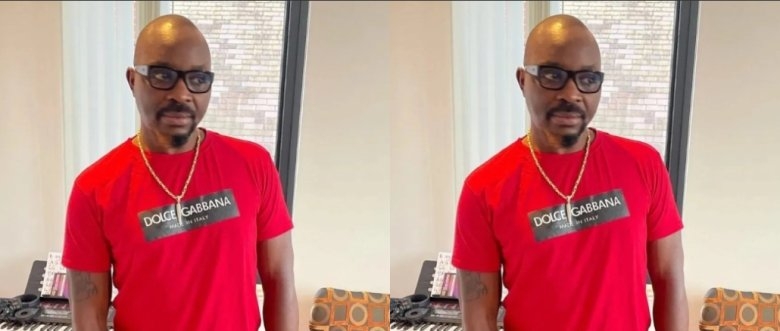
Nigerian businessman and social commentator Isaac Fayose has raised serious concerns over government-funded infrastructure projects, arguing that Nigerians are still repaying loans for developments that have failed to deliver lasting benefits. In a widely shared video, Fayose criticized the management of key projects, particularly the railway line funded by a Chinese loan during the administration of former President Muhammadu Buhari. He highlighted that despite the significant debt incurred, the rail tracks have reportedly deteriorated and are no longer functional. This, he says, reflects a broader pattern of mismanagement and poor accountability in public infrastructure spending.
Fayose specifically pointed to the railway project linking Nigeria to Niger, which was initiated about eight to nine years ago under Buhari’s presidency. He emphasized that Nigerians continue to service the loan even as the physical infrastructure has fallen into disrepair. His remarks underscore a growing public frustration over the lack of tangible outcomes from large-scale borrowing. He also drew attention to Nigeria’s refineries, which were rehabilitated with borrowed funds but remain non-operational, while citizens are still paying off the associated debts.
According to Fayose, the failure of these projects can be traced to leadership incompetence, citing Rotimi Amaechi, who was in charge of railways during Buhari’s tenure. “We have faults, and our government also has faults,” he stated, placing responsibility on both elected officials and the broader governance system. His comments have reignited discussions about transparency, project sustainability, and the need for better oversight in public spending. Many Nigerians have echoed his sentiments, questioning whether borrowed funds are being used efficiently or if they are being misdirected.
The viral nature of Fayose’s video has amplified scrutiny on infrastructure projects funded through foreign loans. Critics argue that without proper maintenance and long-term planning, even well-intentioned investments can become burdens rather than assets. The situation has also sparked calls for more rigorous audits and performance evaluations of government projects. As Nigeria continues to grapple with debt servicing and infrastructure gaps, the debate over accountability and delivery remains central to national discourse.
Fayose’s remarks serve as a reminder that infrastructure development must be matched with sustainable management and oversight. The future of Nigeria’s development hinges on ensuring that borrowed funds translate into lasting improvements, not just short-term political gains.


Leave a Comment