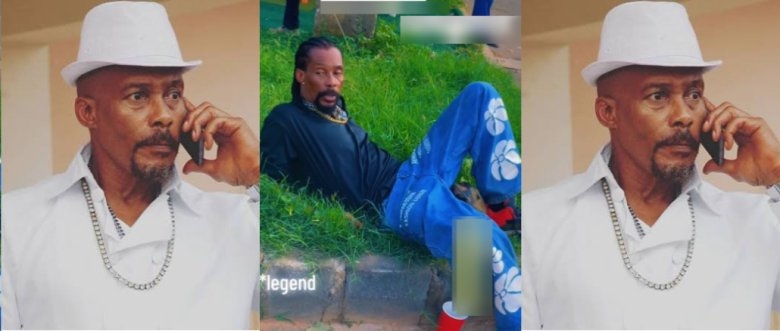
Veteran Nollywood actor Hanks Anuku has addressed growing public concern over his health after a viral video showed him lying by the roadside in Wuse 2, Abuja, sparking widespread speculation and worry across social media. In a new video shared by a man who reportedly met him on Tuesday, Anuku appeared calm and composed, directly responding to the controversy. He reassured fans and critics that he is in good health and urged the public to focus on more pressing national issues rather than his personal situation.
The actor’s statement came after the initial clip circulated widely online, prompting reactions from Nigerians who expressed alarm and called for his well-being to be checked. In the video, Anuku dismissed the attention, saying, “Y’all haven’t seen anything yet. Y’all should face your government and leave me the hell alone. If you don’t have a better thing to do, go do something. I’m good.” His words were clear and direct, emphasizing his desire for privacy and urging people to shift focus to broader societal challenges.
Anuku’s response has sparked further discussion on social media, with many applauding his resilience and others expressing concern that his situation may be more serious than he lets on. Despite the actor’s insistence that he is fine, questions remain about his circumstances, especially given the context of the earlier video that showed him in a vulnerable position on the street. The incident has reignited conversations about mental health, celebrity struggles, and the public’s role in monitoring the lives of public figures.
Meanwhile, in a separate but related development, a South African woman has stirred debate after defending ongoing anti-immigration protests in her country. Speaking during a demonstration, she rejected accusations of xenophobia, insisting that South Africans are simply protecting their nation. She criticized Nigeria’s internal challenges, stating, “They say we’re xenophobic. No, we’re not. We’re protecting our country. Nigerians have the audacity to tell us we’re xenophobic, yet their own country is falling apart while they’re busy slaughtering harmless kids. They are very useless and harsh when it comes to their own people. We’re patriotic. We don’t want our country to fall apart.”
Her comments have gone viral, drawing mixed reactions from Nigerians, with some condemning her remarks as insensitive and others agreeing with her critique of Nigeria’s governance. The incident highlights the complex dynamics of regional perceptions and the emotional tensions surrounding immigration and national identity in Africa. As both stories continue to unfold, they underscore the growing role of social media in shaping public discourse and the importance of empathy and context in interpreting sensitive events.

Leave a Comment