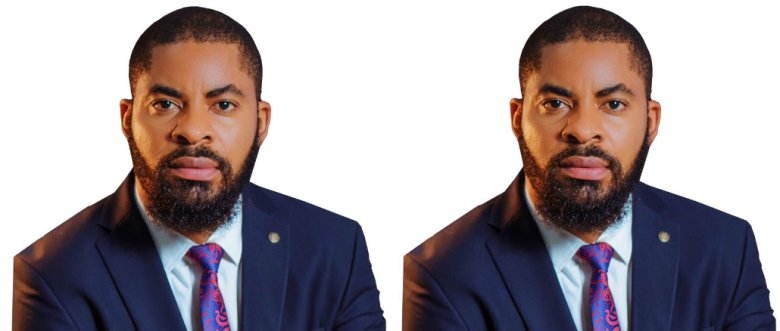
Nigerians are not demanding 24-hour electricity, but only basic power supply during key hours of the day, according to human rights activist and social commentator Deji Adeyanju. In a viral statement shared on social media, Adeyanju emphasized that citizens simply want electricity available at night to sleep comfortably and in the morning to prepare for work before power is redirected to industrial areas. His comments, made on April 28, 2026, have sparked widespread reactions across Nigeria, highlighting the deep frustration many feel over the country’s persistent power challenges.
Adeyanju’s message struck a chord with millions of Nigerians who continue to endure frequent power outages despite government promises of reform. He argued that the expectation of 24-hour electricity is unrealistic for most households, especially given the economic hardships many face. “Nigerian don’t even want 24 hours light, can they even afford 24 hours light? Nigerians just want to come home at 8pm and meet light so they won’t sweat when they sleep and also meet the light by 7am so they can iron their cloths and then you can take the light and divert it to where factories are,” he said in the post that went viral.
The statement reflects the minimal yet essential expectations of ordinary Nigerians who have long struggled with unreliable power supply. Many citizens have adapted to life without consistent electricity, relying on generators, solar panels, and other alternatives. Despite these efforts, the burden remains heavy, especially for low-income households who cannot afford expensive backup solutions.
Adeyanju’s words have resonated with a broad cross-section of the population, from urban dwellers to rural communities. His message underscores how basic needs like lighting for sleep and morning routines are still unmet, even as industrial and commercial sectors receive priority during certain hours. This imbalance has fueled public discontent, with many questioning the fairness and efficiency of the current power distribution system.
The conversation also brings attention to the broader failures in Nigeria’s power sector, which has remained plagued by inefficiencies, mismanagement, and underinvestment for decades. While reforms have been promised repeatedly, tangible improvements remain elusive for most citizens. The activist’s call for even a minimal, predictable power schedule has become a symbol of the simple demands that many Nigerians feel are being ignored.
As Nigeria continues to grapple with energy insecurity, Adeyanju’s statement serves as a reminder that even basic access to electricity remains a luxury for many. The demand for reliable power during essential hours is not a luxury, but a necessity for dignity and productivity. The government’s ability to meet this basic expectation will be a key measure of its commitment to improving citizens’ daily lives.





Leave a Comment