
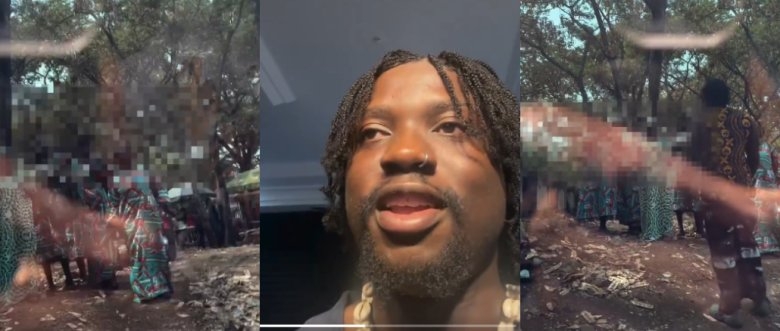
Nigerian streamer Peller made headlines after an unexpected and viral live broadcast encounter with a group of women, during which he jokingly inquired about their nightly charges, only to later hand them ₦300,000 and send them home. The incident, which took place during a nighttime livestream, quickly gained traction on social media, sparking widespread reactions and debates among viewers. Peller, known for his candid and often humorous online presence, interacted with the women in a playful tone, asking them about their rates for the night. The women responded that they charge ₦100,000 per night, a figure that surprised many viewers and fueled further discussion.
The conversation continued with Peller asking more personal questions about their line of work, maintaining a teasing but light-hearted tone throughout. However, the situation took a surprising turn when he reportedly gave them ₦300,000 in cash and advised them to go home and take the night off from work. This act of generosity, while unexpected, added a layer of complexity to the interaction, prompting mixed reactions from his audience. Some praised his kindness, while others questioned the ethics of the encounter and the potential implications of revealing the women’s identities.
Social media users flooded the comments section with reactions, ranging from humor to serious critique. One user, @elias_onyebuchi_, joked, “If say dem dey for house u go give dem dat 300k??😂😂omo leave dat industry oo😂.” Another, @king_lahmoscky, commented, “Imagine scrolling through Instagram, and you see se the ‘OS’ na ur babe😂😂😂 @unclerouk God abeg😂😂.” Others expressed concern, with @capt_khaleed calling the situation “very immature” and criticizing the exposure of the women’s identities. @mareeham_ responded with a pointed remark: “If you’re against prostitution, instead of ranting here, you heard their account number press money.”
The incident has sparked conversations about morality, online behavior, and the blurred lines between entertainment and real-life interactions. Peller’s actions, while seemingly generous, have raised questions about the responsibility of public figures during live streams and the potential consequences of such encounters. As the video continues to circulate, it serves as a reminder of the power and reach of social media in shaping public discourse. The story may well continue to influence discussions on ethics, consent, and digital conduct in Nigeria’s growing online culture.




Leave a Comment