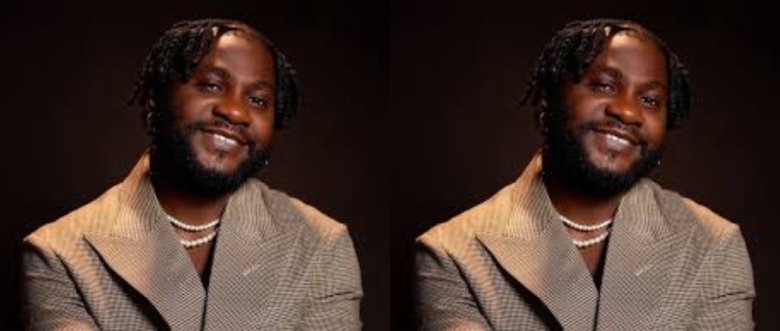
Nollywood actor Jide Awobona has responded to widespread criticism following a video he shared addressing Nigeria’s worsening insecurity, explaining that he deleted the post due to emotional vulnerability and overwhelming public backlash. In a heartfelt Instagram post dated May 31, Awobona revealed that the intense reactions he received left him deeply affected, prompting him to remove the video for his mental well-being. He emphasized that public figures often face unseen struggles and urged Nigerians to avoid judging others based on surface appearances. “Behind many smiles are pains you may never see. That is why we must be careful not to judge a book by its cover,” he wrote.
Awobona stressed that his emotional response to the country’s security crisis was genuine and not performative. He recalled previous instances where he had spoken out against abductions, including the tragic kidnapping of schoolchildren and teachers in Oyo State. The actor also disclosed that he has been personally victimized by crime, having been robbed in the past—an experience that deepened his empathy for victims of insecurity. These personal encounters, he said, have shaped his sensitivity to the collective pain, fear, and frustration felt by many Nigerians.
The video, which garnered over a million reactions across his social media platforms, sparked a mix of anger, criticism, and even threats. Some commenters accused him of hypocrisy, pointing to his participation in the Ojude Oba festival where he was seen smiling and dancing. One user wrote, “You were smiling all through Ojude Oba and dancing—where was this before you went there?” Others questioned why he didn’t use the event to speak directly to political leaders. Despite the backlash, Awobona maintained that much of the anger stems from national frustration and emotional distress.
He called for calm and unity, urging Nigerians not to attack one another during times of national tragedy. “This is not the time to attack fellow Nigerians. This is not the time to tell others how they should react to tragedy, loss, fear, or frustration,” he stated. Awobona also highlighted that celebrities are not immune to fear and grief, and they too must navigate emotional strain while continuing to live their lives. He reflected on the lasting trauma of the Chibok girls’ abduction, which still affects him deeply, and said he copes by focusing on work and other distractions to protect his mental health.
As Nigeria continues to grapple with rising insecurity, Awobona’s experience underscores the emotional toll national crises take on individuals, even those in the public eye. His appeal for empathy and understanding serves as a reminder that behind every public figure is a human being shaped by personal pain and resilience. The conversation around insecurity remains raw and urgent, and voices like Awobona’s, though controversial, contribute to a broader national dialogue on safety, accountability, and healing.

Leave a Comment