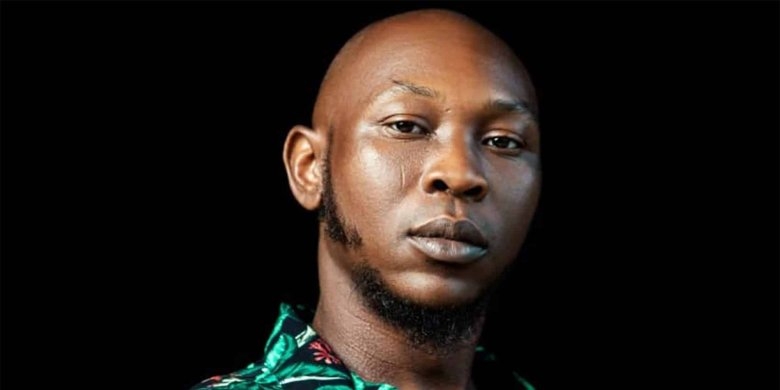
Afrobeats singer Seun Kuti has revealed that supporters of Peter Obi, commonly known as Obidients, allegedly plotted to harm him during his detention at the State Criminal Investigation Department (SCID) in Panti, Lagos. The musician made the shocking disclosure during a live Instagram session, where he opened up about events he claims occurred while he was being held in custody. He stated that he had kept the matter private for years due to the high profile of the individual he believes was involved in the plot. The person, according to Kuti, is someone widely admired by young Nigerians, which made him hesitant to speak out publicly.
Kuti explained that activist Omoyele Sowore had encouraged him to share the story earlier, but he chose to remain silent, preferring to handle the issue in his own way. He emphasized that he does not intend to attack anyone for their political affiliations, whether they support Peter Obi, Atiku Abubakar, or Bola Ahmed Tinubu. He stressed that political choices are personal and should be respected, even if they lead to actions he finds troubling. “I will not fight him… just the way I will not fight anybody who tries to follow Atiku or Tinubu, you have just made your political choice,” he said during the live session.
The singer recounted that the Obidient movement had attempted to “finish” him and even “kill” him while he was detained. He did not name the specific individual he believes was behind the plot, but his words suggest a deep concern about the influence of political fervor on personal safety. He added that he may confront the person directly in the future, but only when the political and social climate in Nigeria improves. His comments highlight the growing tensions surrounding political activism and the potential for violence in Nigeria’s increasingly polarized environment.
Seun Kuti’s revelation comes amid heightened scrutiny of political movements and their activities, especially during election periods. His decision to speak out now, after years of silence, underscores the seriousness of the alleged incident and the emotional weight it has carried for him. While he has not provided further details on how the plot was uncovered or whether any evidence exists, his account has sparked widespread discussion online. Many Nigerians are now calling for transparency and accountability in political gatherings, especially those that involve youth movements.
As Nigeria continues to navigate political transitions and youth mobilization, Kuti’s story serves as a reminder of the risks associated with political activism. His words may prompt deeper conversations about safety, responsibility, and the limits of political expression. The incident also raises questions about the conduct of political supporters and the need for peaceful engagement in public discourse. With elections and political campaigns on the horizon, this revelation could influence how citizens view the role of youth in Nigeria’s democratic process.


Leave a Comment