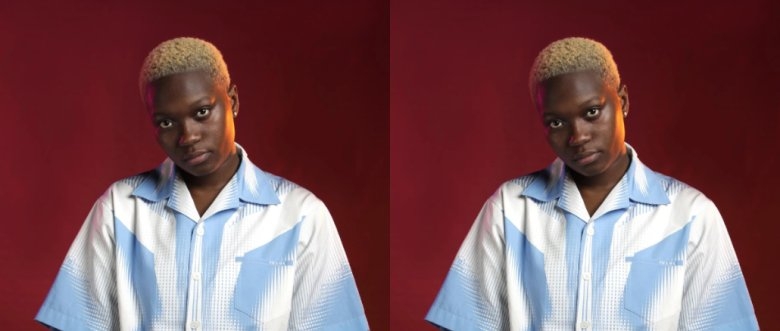
Darkoo’s revelation has ignited conversations about the accessibility of the music industry, particularly for independent and up-and-coming artists. Many young musicians in Nigeria, especially those without record label support or personal wealth, struggle to meet these financial demands. The high cost of entry often forces them to rely on crowdfunding, sponsorships, or even personal savings to produce and promote their work. Her statement, “An artist who doesn’t have $45,000 (around ₦60 million) can’t even release a song,” underscores the economic barriers that exist in the global music space.
The music industry’s shift toward digital platforms and social media has increased the need for strategic promotion, making it harder for artists to go viral without professional backing. While some established artists can afford these costs, many emerging talents are left behind, unable to compete with the financial muscle of their peers. This has led to growing concerns about equity and opportunity within the Nigerian and African music sectors.
As the debate continues, Darkoo’s comments serve as a wake-up call for stakeholders in the music ecosystem, including labels, investors, and fans. The future of music may depend on finding sustainable models that support artistic talent without requiring astronomical financial investment.
Leave a Comment