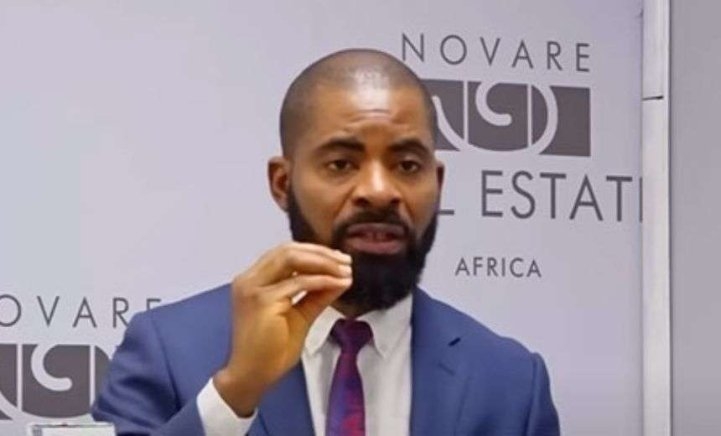
Nigerian activist and lawyer Deji Adeyanju has stated that most Nigerians are not demanding 24-hour uninterrupted power supply, but rather reliable electricity during key daily hours, a claim he made during an episode of The Honest Bunch podcast. He emphasized that Nigerians simply want light by 8pm to avoid sleeping in darkness and sweat, and again by 7am to iron clothes and begin their day. Adeyanju argued that these demands are reasonable and far from excessive, noting that many Nigerians cannot afford or sustain 24-hour power. He stressed that the government’s failure to meet these basic needs is what frustrates citizens, not unrealistic expectations.
Adeyanju further explained that Nigerians are among the easiest people to please, requiring only minimal improvements to their daily lives. “Nigerians don’t even want 24 hours light, can they even afford 24 hours light? Nigerians just want to come home at 8pm and meet light so they won’t sweat when they sleep, and also meet the light by 7am so they can iron their clothes, and then you can take the light and divert it to where factories are. Nigerians are not asking for much, and they’re the easiest people to please. How can this be too much?” he said during the podcast. His comments highlight the gap between public expectations and government delivery, especially in critical infrastructure like electricity.
In the same conversation, Adeyanju addressed the political landscape, describing President Bola Tinubu as a formidable and difficult opponent, even in a free and fair election. He acknowledged Tinubu’s mastery of Nigerian politics, stating that the president knows how to win and maintain control. “Jagaban knows how to win, even in a free and fair election,” Adeyanju remarked, using the popular nickname for Tinubu. He pointed to the president’s vast network of allies, noting that 32 governors are reportedly working for him, and even opposition figures like Alex Otti remain loyal. This, he said, demonstrates Tinubu’s unmatched political influence.
Adeyanju also highlighted the strength of the All Progressives Congress (APC), calling it a dominant force in Nigerian politics. He admitted that the only party with a realistic chance of challenging the APC’s dominance is the African Democratic Congress (ADC). Despite his criticism of Tinubu’s administration, Adeyanju acknowledged the president’s ability to build alliances and sustain political power. His remarks underscore the challenges facing opposition parties in Nigeria’s current political environment.
As Nigeria continues to grapple with power supply and governance issues, Adeyanju’s comments reflect growing public sentiment and the complexity of political dynamics. His call for basic, practical improvements in electricity access may resonate with many Nigerians who prioritize stability over grand promises. The future of Nigeria’s political and infrastructural development will depend on whether leaders can respond to these grounded, everyday demands.



Leave a Comment