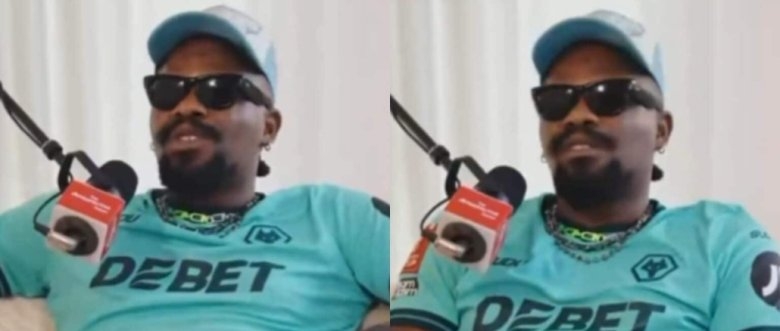
Nigerian rapper Ycee has clarified his controversial “Olodo uprising” comment, stating that his words were taken out of context and misrepresented online, sparking widespread backlash. The incident, which gained traction in July 2026, began when social media users claimed he referred to certain individuals as “olodo,” a Nigerian slang term often used to describe someone perceived as unintelligent. This led to accusations of disrespect and insensitivity, with many criticizing him for using derogatory language in public discourse.
Ycee has since spoken out to correct the narrative, emphasizing that his original statement was not a personal attack but a broader social observation. In a direct statement shared on social media, he said, “It wasn’t me calling anyone an olodo. I was talking about how ignorance and unintelligence are being rewarded across the world. People shrinking themselves because they do not want the unintelligent to feel offended, because they are now the majority. That’s all I said.” His explanation frames the comment as a critique of societal trends rather than a targeted insult.
The misunderstanding underscores the challenges public figures face in the digital age, where snippets of conversations or speeches can be detached from context and amplified rapidly. In Ycee’s case, the viral nature of the claim overshadowed his intended message, leading to a wave of criticism before he could clarify. His response has since prompted mixed reactions, with some supporters applauding his honesty and others still questioning the appropriateness of the language, even if used in a metaphorical sense.
The incident has reignited discussions about free speech, responsibility in public commentary, and how audiences interpret statements made by celebrities. In Nigeria, where social media plays a central role in shaping public opinion, such controversies often escalate quickly, making context and timely clarification crucial. Ycee’s case is a reminder that even well-intentioned remarks can be misinterpreted, especially when they touch on sensitive topics like intelligence, identity, and societal values.
As the conversation continues, the incident serves as a case study in digital communication, highlighting the need for careful expression and the importance of context in public discourse. Ycee’s clarification may not fully resolve the debate, but it does offer a clearer understanding of his intent. Moving forward, the incident may influence how Nigerian artists and public figures navigate sensitive topics in the age of instant social media reactions.


Leave a Comment