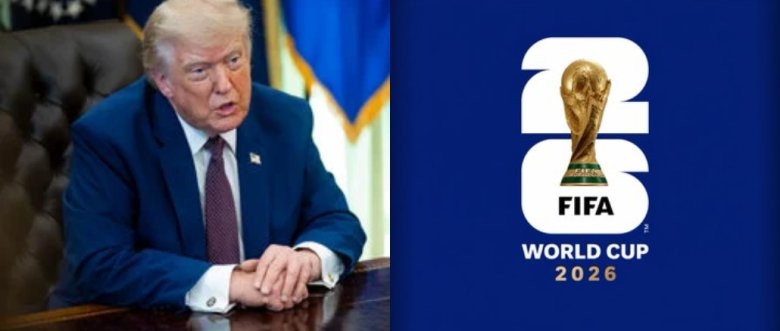
The United States has issued a clear warning to foreign social media influencers attending the 2026 FIFA World Cup, stating that creating content for profit while on a tourist visa could be considered unauthorized employment and may result in deportation. The alert, issued by U.S. Customs and Border Protection (CBP), comes as the tournament prepares to kick off on June 11, 2026, across 16 cities in the U.S., Canada, and Mexico. Authorities emphasize that any income generated from content produced during a tourist visit violates the terms of admission and could lead to serious immigration consequences.
The 2026 FIFA World Cup, the first to feature 48 teams and 104 matches, is expected to draw millions of fans and digital creators from around the world. Among them are influencers, vloggers, and content producers who plan to document their experiences on platforms like YouTube, TikTok, Instagram, and Facebook. However, the U.S. government has made it clear that such activities, if monetized, fall under the definition of employment and require proper work authorization. Visitors on tourist visas are not permitted to engage in any form of paid work, including content creation that generates revenue from U.S. sources.
CBP officials have stressed that entering the country under a visitor program with the intent to earn money through content creation is a violation of immigration rules. “Coming to the United States with the sole purpose of creating content (as an influencer), thereby generating earnings from the United States while in the country, is considered work and requires the appropriate visa,” authorities stated. They added that individuals found to be receiving income from U.S. sources during their stay would be in breach of their admission status and subject to enforcement actions, including deportation.
This policy has sparked concern among digital creators who rely on global events like the World Cup to grow their audiences and monetize their content. Many are now reconsidering their travel plans or exploring alternative visa options, such as journalist or work visas, to comply with U.S. regulations. While the government insists the measure is about enforcing existing immigration and labor laws, questions remain about how strictly it will be applied and whether it will affect casual content creators who do not earn directly from their posts.
The announcement underscores the growing intersection between digital content creation and international travel regulations. As global events become more accessible to influencers, governments are increasingly scrutinizing how content creators operate across borders. For the 2026 FIFA World Cup, the U.S. is setting a precedent that may influence how other countries handle similar situations in the future. As the tournament approaches, influencers and digital creators will need to navigate these new rules carefully to avoid legal and immigration complications.



Leave a Comment