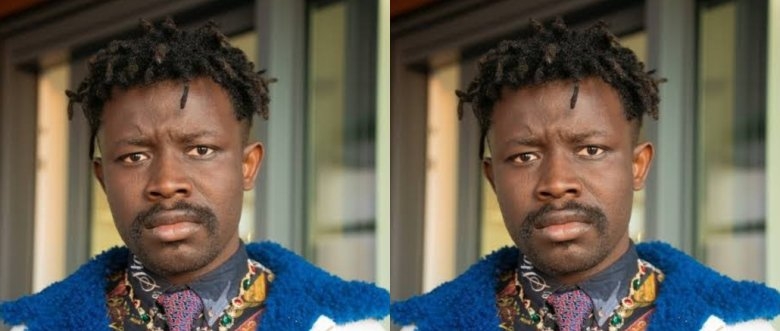
Nigerian music video director TG Omori has spoken out against the persistent menace of Lagos traffic touts, commonly known as agberos, revealing how their aggressive tactics have forced him to abandon his luxury vehicles in favor of a smaller, more discreet car. In a candid post on X, Omori shared his distress over repeated harassment while driving through the city, emphasizing that the constant intimidation has made his daily commute unbearable. He stated, “These traffic thugs really bullied me into parking my cars and buying a small Hyundai just to find peace on Lagos roads.” The decision to switch to a compact Hyundai reflects his desire to avoid confrontations and maintain a sense of safety while navigating the city’s chaotic streets.
Omori recounted a particularly alarming incident when he was rushing to the hospital for an emergency. Despite being in his Mercedes G-Wagon, he was blocked and chased by agberos in heavy traffic. “One time I was rushing to the hospital for an emergency, sitting in the back seat of my G-Wagon, these guys blocked my car and chased it in traffic until I had to make a transfer,” he wrote. The experience underscores the dangers faced by drivers, even those in high-end vehicles, as agberos often target flashy cars for perceived wealth. His story echoes similar accounts from other high-profile Nigerians, including fast-rising singer Mavo, who recently faced harassment and had his car pelted with stones while stuck in traffic.
The issue of agberos has long been a source of frustration for Lagos commuters, with reports of extortion, intimidation, and violence becoming increasingly common. Despite efforts by the Lagos State government to curb their activities, the problem persists, especially during peak hours and in high-traffic zones. Omori’s decision to downsize his vehicle is not just a personal choice but a reflection of the broader insecurity faced by motorists in the city. His openness about the situation has sparked conversations online, with many Nigerians expressing solidarity and sharing their own experiences with traffic touts.
Meanwhile, in a separate development, a woman’s controversial comment about UTME candidates has ignited debate across social media. She argued that students who cannot independently find their way to JAMB examination centers may not be ready for higher education. “If a child cannot confidently navigate their way to a JAMB centre on their own, it is a feedback that they are not ready for higher institution,” she said. The statement drew mixed reactions, with some supporting the idea that basic life skills are crucial for tertiary education, while others highlighted the socio-economic challenges many candidates face, including poor infrastructure and lack of reliable transportation. As Nigeria continues to grapple with issues of security and access to education, these stories highlight the complex realities shaping daily life for many Nigerians. The hope remains that both traffic safety and equitable access to education will receive the attention they deserve in the coming months.

Leave a Comment