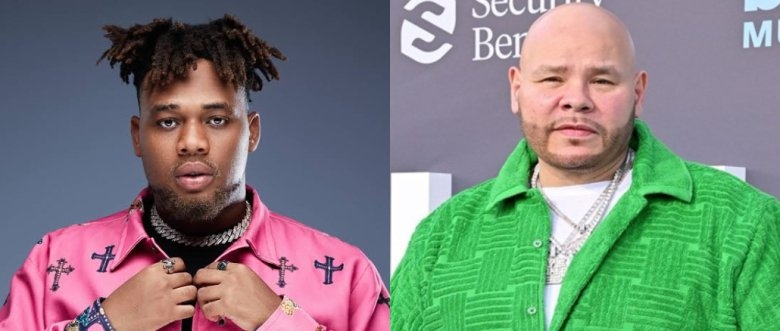
Afrobeats star Buju BNXN has reacted strongly to comments made by American rapper Fat Joe, sparking a wider conversation about the perception of African music on the global stage. The incident, which gained traction on social media, began after Fat Joe made remarks that many interpreted as dismissive or disrespectful toward African artists and their contributions to the global music scene. In response, BNXN did not hold back, calling out what he described as “hate and misinformation” about African music and its rising international influence. His sharp reply quickly went viral, drawing attention to the growing tension between Western and African music communities.
BNXN’s message, posted online, read: “The h8te in your heart and your misinformation about African music & its artists is why your chromosomes are all fvcked up.” The statement, while provocative, resonated with many fans who saw it as a necessary defense of African artistry in the face of perceived disrespect. Others, however, argued that the exchange had become too personal and could harm diplomatic relations within the music industry. The response highlighted the emotional weight behind debates about cultural recognition and artistic ownership in a globalized music market.
This controversy comes at a time when Afrobeats is experiencing unprecedented global growth. Nigerian artists have consistently broken records, charted on international platforms, and collaborated with top Western musicians. The genre’s popularity has surged, with artists like Wizkid, Burna Boy, and now BNXN gaining massive followings in the US, UK, and beyond. As Afrobeats continues to dominate playlists and award shows, discussions about credit, representation, and respect have become increasingly important.
The incident underscores a broader issue: how African music is often misunderstood or undervalued by Western audiences and industry figures. While some Western artists have embraced and uplifted Afrobeats, others have been accused of cultural appropriation or downplaying its origins. BNXN’s reaction reflects a growing sentiment among African artists who demand equal recognition and respect for their work. The debate also raises questions about how global music platforms and media can better support and accurately represent African talent.
As of now, Fat Joe has not publicly responded to BNXN’s comments, leaving the conversation open for further discussion. The exchange continues to trend on social media, with fans and industry insiders weighing in on both sides. The incident serves as a reminder that as Afrobeats expands its global footprint, the need for mutual respect and accurate representation will only grow more critical. The future of African music on the world stage depends on how these conversations are navigated — and whether they lead to greater understanding or further division.
Leave a Comment