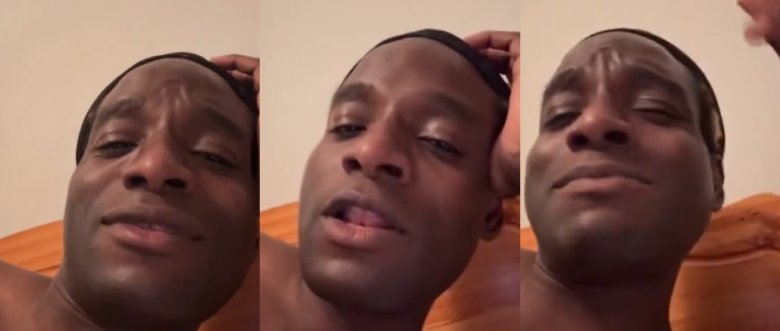
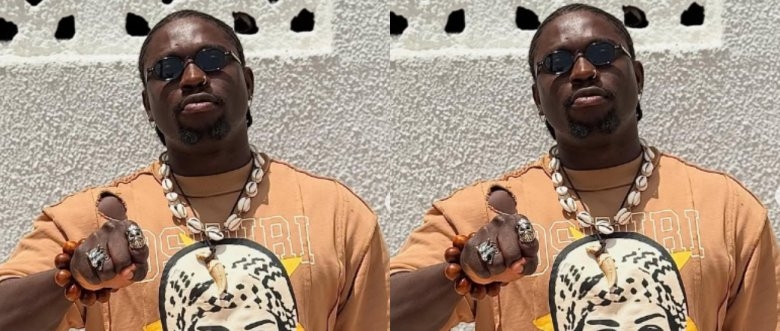
A resurfaced video of Ozonna Soludo, son of Anambra State Governor Charles Soludo, singing has sparked intense reactions across Nigerian social media platforms, reigniting public discourse on politics, celebrity culture, and the personal lives of children of political figures. The clip, which shows Ozonna confidently performing a song, quickly went viral, drawing both praise and criticism from users. While some praised his talent and encouraged him to pursue music, others used the moment to mock or criticize his father, turning the video into another flashpoint in the ongoing political narrative surrounding Governor Soludo’s administration.
In the video, Ozonna is seen performing with energy and confidence, showcasing his vocal abilities in a casual setting. The footage, believed to be from a past event, gained traction after being shared widely on platforms like Twitter and Instagram. Many viewers commended his courage and artistic expression, with some commenting that he should be allowed to live his life without being dragged into political debates. Others, however, took a different tone, using the clip to comment on Governor Soludo’s governance, with some suggesting the governor is facing divine retribution or public backlash.
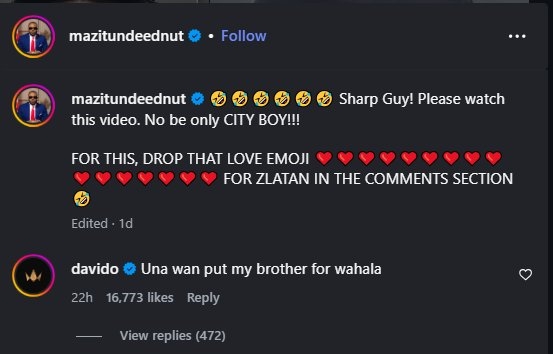
Social media users expressed a range of emotions, from amusement to disdain. Comments such as “Nsogbu Soludo, no mercy for the wicked. Soludo’s payback from God” and “Soludo headache” reflect the polarized opinions circulating online. Some users argued that Ozonna should be left alone, with one user writing, “Make una leave this boy alone,” while others mocked the situation with jokes like “Soludo legacy 😂😂😂😂😂.” The reactions highlight the deep public scrutiny faced by children of prominent political figures in Nigeria, where personal lives often become intertwined with political narratives.
The incident also underscores how social media continues to amplify personal moments into national conversations, especially when tied to political figures. While Ozonna’s performance was initially a personal showcase of talent, it quickly became a platform for broader commentary on governance, public perception, and the pressures faced by political families. As the video continues to circulate, it remains a testament to how digital spaces can transform private moments into public spectacles.
Looking ahead, the incident may prompt discussions on how to separate personal expression from political identity, especially for the children of public officeholders. As Nigeria’s digital landscape evolves, moments like these will likely continue to shape public discourse, blending entertainment, politics, and social commentary in unpredictable ways.

Leave a Comment