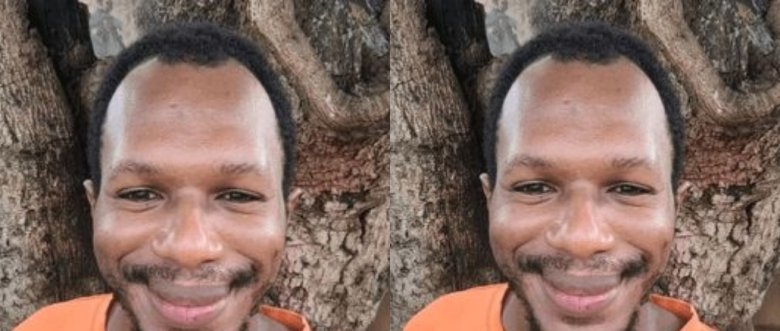
Daniel Regha, a prominent Nigerian social media commentator, has ignited intense online debate with his recent post on governance and public sentiment in Nigeria, sparking widespread reactions across digital platforms. In a viral message, Regha stated, “Deep down, many Nigerians are happy that Tinubu’s govt failed… a good or bad govt affects us all,” a comment that quickly became a focal point of national discussion. The post, shared widely on social media, reflects growing public frustration over economic challenges, inflation, and the overall performance of the current administration under President Bola Ahmed Tinubu.
Regha’s words struck a nerve with many Nigerians who have been grappling with the rising cost of living, fuel scarcity, and the aftermath of subsidy removal. While some users agreed with his assessment, viewing it as a candid reflection of widespread disillusionment, others criticized the phrasing, arguing it implies Nigerians are celebrating failure rather than simply enduring hardship. The comment has become a symbol of the deepening disconnect between government policies and the lived realities of ordinary citizens.
The viral nature of the post underscores the power of social media in shaping public discourse in Nigeria. As citizens increasingly turn to digital platforms to express dissatisfaction, figures like Regha amplify voices that might otherwise go unheard. His statement has also reignited conversations about accountability, transparency, and the need for leadership that truly represents the people’s interests. Many users have echoed his sentiment, emphasizing that governance affects everyone, regardless of political leanings.
President Tinubu’s administration, which took office in May 2023, has faced relentless scrutiny over its economic reforms. The removal of fuel subsidies, intended to stabilize the economy, has led to soaring prices and public discontent. Critics argue that the government’s response to the crisis has been slow and inadequate, while supporters maintain that the reforms are necessary for long-term stability. Regha’s comment, though brief, captures the tension between these perspectives.
As Nigeria continues to navigate economic uncertainty, social media remains a crucial space for public expression and political commentary. Regha’s post is not just a reaction to current events—it is a mirror reflecting the broader frustrations of a population seeking better governance and improved living conditions. His words may spark debate, but they also highlight the urgent need for leaders to listen, adapt, and act in ways that resonate with the people they serve. The conversation is far from over, and public sentiment will likely continue to shape the nation’s political landscape in the months ahead.

Leave a Comment