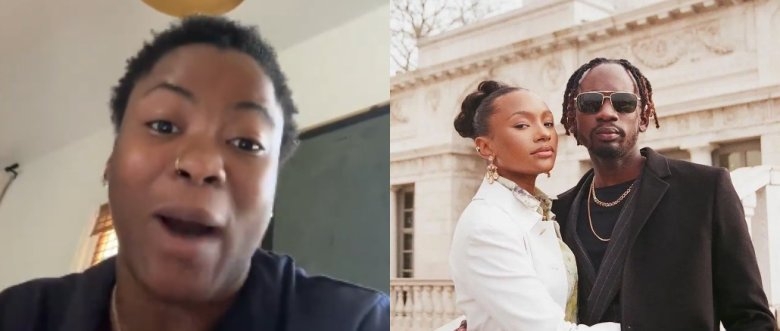
A Nigerian woman has sparked a national conversation after criticizing singer Mr Eazi and billionaire heiress Temi Otedola for launching a social media poll asking followers to guess the gender of their unborn child. The post, shared widely on Twitter, accused the couple of engaging in a “guessing game” that feels disconnected from the struggles of ordinary Nigerians amid rising poverty and economic hardship. The woman argued that such lighthearted content is out of touch with the realities faced by millions grappling with basic survival, especially in a country where inflation and insecurity continue to deepen daily challenges.
She expressed her frustration in a viral tweet, stating: “Rich people, rich Nigerians… are incredibly detached from reality because they are greedy and tone-deaf, asking Nigerians to vote on whether your millionaire wife is having a boy or a girl.” Her words struck a chord with many online users who echoed her sentiment, calling for public figures to be more mindful of their influence during times of national crisis. The comment highlighted growing public concern over the perceived privilege of wealthy celebrities and their apparent disregard for the struggles of the average Nigerian.
The poll, which invited followers to participate in a fun, interactive way to anticipate the baby’s gender, was framed by Mr Eazi and Temi Otedola as a celebratory gesture. However, critics argue that even well-intentioned gestures can come across as insensitive when presented during a period of widespread economic distress. The woman’s criticism has ignited broader discussions about the responsibilities of influencers and celebrities in shaping public discourse, especially when their lifestyles contrast sharply with the realities of the majority.
Supporters of the woman’s stance believe that attention should be directed toward pressing national issues such as food insecurity, unemployment, and rising living costs. Others, however, defended the couple, emphasizing that participation in the poll was entirely voluntary and should not be seen as a call for financial contribution or emotional burden. They argued that entertainment and joy are also essential, even in difficult times, and that not every social media post needs to carry a political or economic message.
The debate has added fuel to ongoing conversations about class disparity, celebrity culture, and the role of public figures in Nigeria’s socio-economic landscape. As the country continues to navigate economic turbulence, the incident underscores the delicate balance between personal celebration and public perception. It also serves as a reminder that what may seem like harmless fun to some can be perceived as tone-deaf or exploitative by others, especially when the gap between the rich and the poor remains stark. This moment may prompt more thoughtful reflection among celebrities on how their content resonates with a nation in need.

Leave a Comment