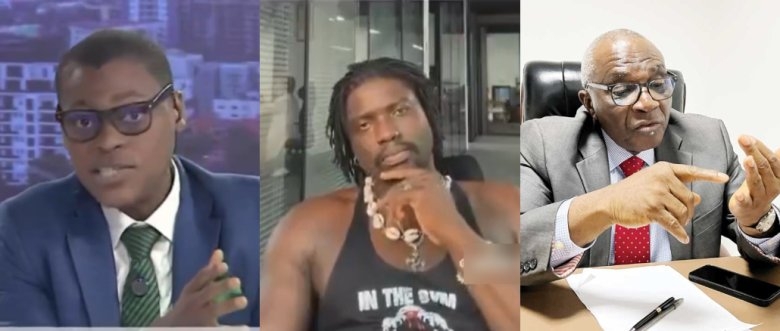
In a viral tweet, Oseni stated, “I wanted to be soft on Bayo Onanuga this morning, but I won’t. He was supposed to take down that post about VDM, especially now that it has been confirmed to be fake.” He further questioned Onanuga’s credibility by referencing past statements, including his 2023 declaration that “2023 should be the last time Igbo people interfere in Lagos politics” and his assertion that “Lagos is not a no man’s land and that it is a Yoruba land.” These remarks have long been contentious, fueling accusations of ethnic bias.
The backlash quickly spread across Twitter and other platforms, with Nigerians weighing in on the ethics of public figures sharing unverified content. GREASED BY GRACE accused Onanuga of selective activism, writing, “@aonanuga1956 never speaks on insecurity. He is only after what Obi says or what people say about the president’s failure. Then you will see him jump out. A man who is spokesman to the president doing aluta on Twitter.” Others, like imole Gael, defended Onanuga’s stance on Lagos politics, suggesting that time would prove his point by 2027.
Meanwhile, TEEMBA🔖 accused Onanuga of harboring anti-Igbo sentiments, pointing to the bio of the account he referenced in his post. EASY BELLO went further, drawing a parallel between Onanuga and President Bola Tinubu, calling them both “fake people — oloriburuku people.” Sheidu Tijani raised concerns about possible ulterior motives, suggesting Onanuga might have been behind the doctored audio to justify arresting VeryDarkMan. idabor questioned the spokesman’s silence on critical security issues, particularly the Oyo killings, while Adéwálé asked whether VeryDarkMan himself had officially debunked the audio.
Stanley offered a simple yet powerful perspective: “One thing is to post or repost, but when you see that what you posted is not true you delete it, it called maturity.” The incident has underscored the growing demand for accountability and responsible communication from public officials in Nigeria’s digital age. As misinformation continues to spread rapidly, the debate over truth, ethics, and political responsibility will likely remain at the forefront of national discourse.



Leave a Comment