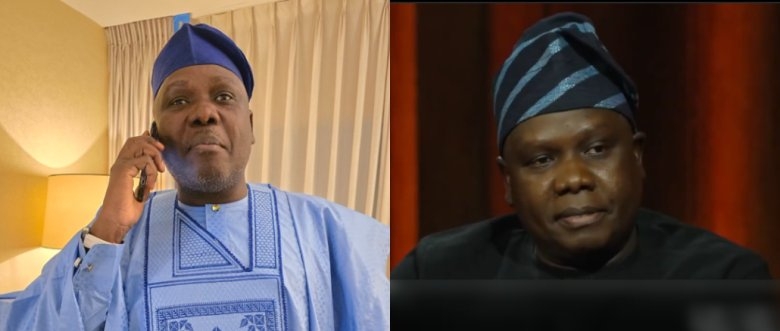
Daniel Bwala, a presidential aide, has ignited widespread online debate after commenting on Nigerians who have relocated abroad through the popular “japa” route in search of better opportunities. In a statement that quickly gained traction on social media, Bwala claimed that some Nigerians still living in Nigeria are financially and socially better off than those who left the country years ago. He specifically pointed out that many of those who migrated are now working in care homes, a situation he described as “modern-day slavery.” His remarks, shared on July 9, 2026, have sparked intense reactions across platforms, with Nigerians divided on the validity and tone of his comments.
Bwala’s assertion that care work abroad equates to slavery has drawn both criticism and support. Some users agreed that migration does not guarantee success and that many expatriates face harsh working conditions. Others, however, challenged his characterization of care work, arguing that it is a legitimate and respected profession that provides vital services and financial stability for many immigrants. The debate has highlighted the complex realities of migration, where personal success is often shaped by individual circumstances, skills, and opportunities available in host countries.
The presidential aide’s comments have also reignited discussions about the state of Nigeria and the reasons behind the growing number of citizens leaving the country. Critics argue that the root causes of migration—such as unemployment, insecurity, and poor governance—should be addressed rather than dismissing the struggles of those who seek opportunities abroad. Some social media users responded with sarcasm, recalling past statements by Bwala that questioned the intelligence of APC members, while others defended care workers, noting that their earnings often surpass those of many Nigerian civil servants.
One Twitter user, @Teeee, pointed out that care workers abroad often earn more than 50% of Nigerian civil servants, who frequently rely on side hustles like selling akara or corn to make ends meet. Another user, @Jaco Oshaa, emphasized that life is difficult everywhere, and honest labor should be respected regardless of location. The conversation has also touched on the broader issue of national development, with users like @Live Free and Beegaah stressing that if leaders and citizens work together to improve the country, fewer people would feel compelled to leave.
As the debate continues, Bwala’s remarks have underscored the need for a nuanced understanding of migration, both as a personal choice and a national challenge. The discussion is likely to persist as Nigerians grapple with the realities of living in a country where economic hardship drives many to seek better lives abroad, while others remain and face their own struggles. The future of Nigeria’s development will depend on how effectively these issues are addressed by policymakers and citizens alike.





Leave a Comment