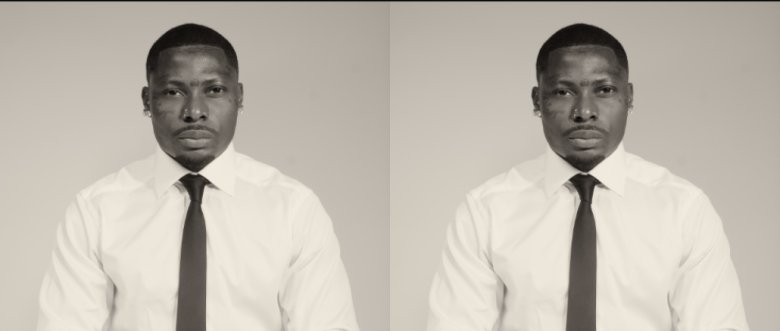
Nigerian singer Asake has credited Lagos State for playing a pivotal role in shaping both his music career and personal development, revealing how the city transformed him from a university graduate into a globally recognized artist. The Sungba hitmaker, whose real name is Ahmed Ololade, moved to Lagos after completing his studies at Obafemi Awolowo University in Ile-Ife. He described the metropolis as a crucible for maturity, where he learned to navigate adulthood and refine his worldview. Speaking in a recent interview with Spotify, Asake emphasized that his experiences in Lagos deeply influenced his artistry and creative expression.
“I’m happy because there are a lot of people who make music out there and a lot of people who are more talented than me,” Asake said. He expressed gratitude to God for allowing him to leverage his talent not only in Nigeria but also on the international stage. The singer acknowledged that many other musicians possess equal or greater abilities but have not yet achieved the same level of recognition. His humility underscores the challenges faced by aspiring artists in a competitive industry, while also highlighting the importance of divine favor and perseverance.
Asake’s journey from Ile-Ife to Lagos mirrors the aspirations of countless young Nigerians seeking opportunity in the nation’s economic and cultural hub. Lagos, with its vibrant music scene and fast-paced lifestyle, has long been a launchpad for Nigerian talent. For Asake, the city became both a teacher and muse. “Lagos taught me how to live like a man. Lagos inspired most of my songs,” he stated, reflecting on the emotional and professional growth he experienced there. His music, which blends Afrobeat, alternative R&B, and street narratives, often draws from the realities and rhythms of Lagos life.
Meanwhile, a separate incident has sparked national conversation about data plan transparency in Nigeria. A man reportedly purchased a ₦30,000 “Silver plan” from MTN Nigeria, advertised to provide 150GB of high-speed data before throttling to 2GB daily. He claimed the entire data allocation was exhausted within six days, prompting him to confront MTN officials at one of their offices. In a viral video, staff presented usage logs to justify the consumption, but the customer remained unconvinced, insisting his actual internet usage did not match the reported figures. He threatened to escalate the issue online, drawing widespread attention and sympathy from social media users.
The incident has reignited public scrutiny over telecom providers’ data plans, especially those marketed as “unlimited” or high-capacity. Many Nigerians have shared similar frustrations, questioning the fairness and accuracy of data tracking. As digital access becomes increasingly vital, transparency and accountability from telecom companies remain critical for consumer trust. Asake’s rise and the MTN controversy both reflect broader themes of growth, opportunity, and accountability in modern Nigeria — one through art, the other through technology.




Leave a Comment