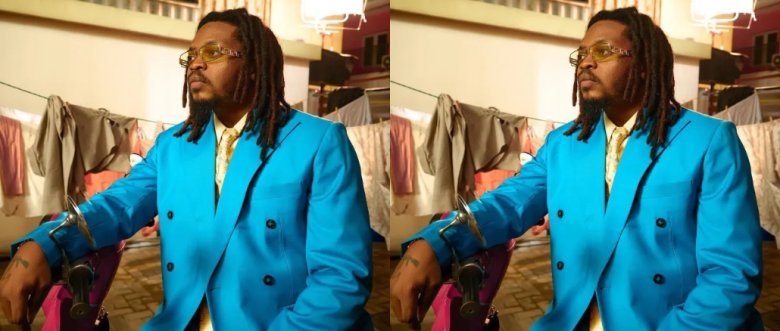
Nigerian rapper Olamide has opened up about his anxiety before live performances, revealing that past negative experiences on stage have left him nervous and cautious. In a recent interview with YouTuber Korty EO, the award-winning artist explained that aggressive fan behaviour during concerts has contributed to his pre-show jitters. Olamide, whose real name is Gbenga Adedeji, shared that he often feels uneasy before stepping on stage, citing incidents where fans have tried to grab his chain or pull off his hat during performances. These unsettling moments, he said, have made him constantly wary of what might happen next.
“I get nervous every time I am going on the stage,” Olamide stated. “I have had too many crazy experiences while performing. Someone from nowhere will just come and grab your chain or your hat, you don’t even know what to expect.” The rapper emphasized that these unpredictable interactions have made him more guarded and emotionally strained before shows. Despite his fame and success, Olamide admitted that the fear of physical intrusion during performances remains a real and persistent issue.
The revelations come as part of a broader conversation about artist safety and audience conduct at live events in Nigeria. While Olamide’s music continues to resonate with millions, his candidness highlights the psychological toll that unpredictable fan behaviour can take on performers. His story also underscores the need for better crowd management and security at concerts, especially for high-profile artists who are often targets of overzealous fans.
In a separate but related development, a northern traveller named Bashir Dalhatu Liman has alleged that passengers in Lagos refused to board a commercial bus with him due to his Fulani identity. The incident reportedly occurred at a motor park where Liman was preparing to travel to Calabar. Other passengers reportedly objected to sharing the vehicle with him after identifying him as Fulani, referring to him as a “herdsman.” Liman stated, “Just because I’m a Fulani man, the passengers said they are not going with me.”
Videos of the incident have circulated widely online, sparking debate about ethnic profiling and discrimination in Nigeria. Many social media users condemned the passengers’ actions, calling for unity and respect across ethnic lines. Others, however, expressed concerns about security and mistrust between communities, especially in the context of ongoing national tensions. The incident has drawn attention to deeper societal issues, including prejudice and fear rooted in identity.
As Olamide continues to navigate the challenges of performing under pressure, his openness about anxiety may resonate with other artists facing similar struggles. Meanwhile, the bus incident serves as a reminder of the need for greater tolerance and understanding in public spaces. Both stories reflect ongoing conversations about safety, identity, and inclusion in Nigerian society.
Leave a Comment