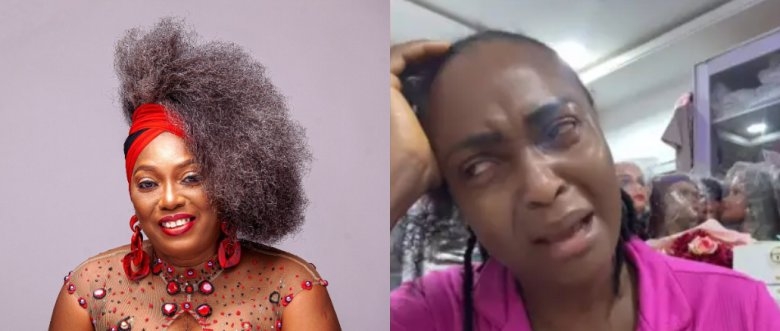
Yeni Kuti, daughter of legendary Afrobeat musician Fela Anikulapo-Kuti, has weighed in on the growing controversy surrounding social media influencer Blessing CEO’s recent claims of undergoing cancer testing, adding her voice to the public debate that has swept across Nigerian digital platforms. The discussion intensified after Blessing CEO, whose real name is Blessing Okoro, shared a video on social media showing herself undergoing a medical procedure, which she claimed was part of a cancer diagnosis process. The post quickly went viral, drawing both sympathy and skepticism from users who questioned the authenticity of the test results and the video’s context.
Many online observers pointed to inconsistencies in the documents and footage, leading to widespread doubt about whether the health claims were genuine. Despite the backlash, Yeni Kuti expressed cautious support for Blessing CEO during an appearance on TVC’s morning show, Your View. She stated that she finds it hard to believe someone would fabricate such a serious health issue, emphasizing that she does not automatically assume ill intent in people, especially when they are facing personal struggles.
Kuti also acknowledged the cultural and spiritual context in which many Nigerians, particularly Christians, often express faith and positivity even amid illness. She agreed with a co-host’s point that spoken affirmations can carry significant weight in personal belief systems, noting that such declarations are often part of spiritual healing practices. This perspective led her to express a preference for hoping Blessing CEO is genuinely unwell, so that people can offer prayers and support rather than judgment.
She further questioned whether individuals would not extend compassion to a friend or loved one in similar circumstances, highlighting the importance of empathy during health crises. Her comments, however, sparked mixed reactions online, with some viewers finding her remarks insightful while others felt the issue was being overanalyzed, especially given Nigeria’s pressing socioeconomic challenges.
The debate continues to divide social media users, with some defending Blessing CEO’s right to privacy and health disclosure, while others maintain their skepticism. Comments ranged from “I believe she is sick” to humorous observations like “she went to affirm the house,” reflecting the varied tones of the public discourse. As the conversation evolves, it underscores the broader societal tension between online authenticity, public trust, and the sensitivity surrounding health disclosures in the digital age. The issue remains a focal point of discussion, illustrating how personal health narratives can quickly become national conversations in Nigeria’s interconnected media landscape.





Leave a Comment