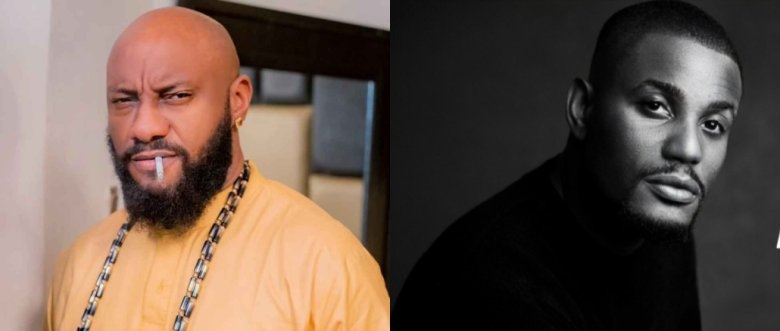
Nollywood actor Yul Edochie has sparked a public debate over privacy and celebrity life after stating that late actor Alex Ekubo should not have hidden his marriage from the public. His comments came in response to social media discussions following Ekubo’s death, when bloggers and online users began sharing photos and videos of Ekubo’s wife, reigniting conversations about the boundaries between personal life and public scrutiny. Edochie emphasized that public figures should not shrink themselves to avoid criticism, urging people to embrace their lives openly despite public chatter.
The controversy began after Nasiru, a social media user, posted a message criticizing the online frenzy surrounding Ekubo’s private life. Nasiru wrote, “Alex Ekubo kept his marriage away from the vulture internet. Now that he’s gone, blogs are already digging up and posting his wife. But na some of una still talk say na gay. These blogs are vampires….” This post resonated with many who believe celebrities deserve privacy, even after death. However, Yul Edochie took a different stance, arguing that hiding personal relationships from the public is unnecessary.
In his response, Edochie stated, “He shouldn’t have hidden anything from anyone. It wasn’t necessary. People must learn to stop worrying about what people say. No matter what you do in life, people must talk. So leave them to talk. Leave blogs to blog. To be great in life you must never make yourself small for anyone or any reason. Give them things to talk about while you ignore them and enjoy your life.” His words reflect a broader philosophy on fame, resilience, and personal integrity in the face of public judgment.
The actor’s remarks have since stirred mixed reactions across social media platforms. Some agree with his perspective, believing that celebrities should not live in fear of online scrutiny and should instead live authentically. Others argue that individuals, even public figures, have a right to privacy and that the posthumous exposure of Ekubo’s wife is disrespectful and invasive. The debate touches on deeper issues of digital ethics, the role of social media in shaping public narratives, and the limits of public interest.
As Nigeria’s entertainment industry continues to grow, so too does the scrutiny on its stars. The case of Alex Ekubo and the reactions from Yul Edochie highlight the tension between personal privacy and public curiosity. Moving forward, this conversation may influence how future celebrities navigate their personal lives in the spotlight, and how the public and media choose to respect or exploit that space.




Leave a Comment