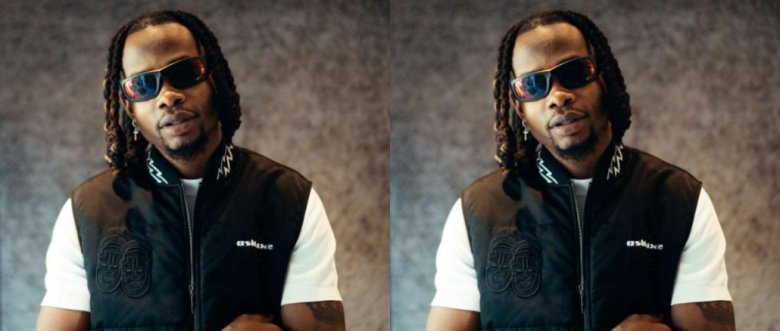
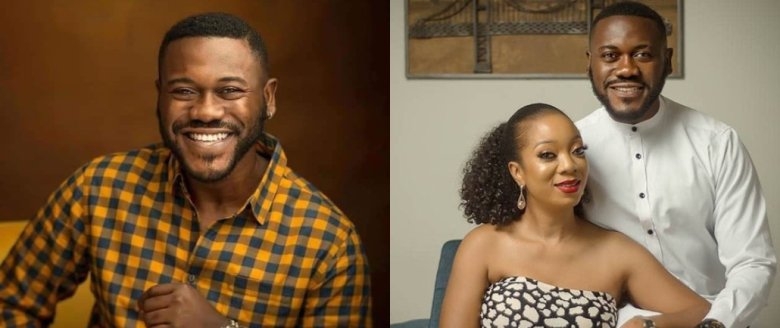
Nigerian media personality YhemoLee has sparked widespread online discussions after revealing that Nigeria is more expensive than the United States when it comes to daily living costs. In a viral social media post, he stated, “Nigeria is expensive. I spend more money in Nigeria than in the USA,” a claim that resonated with many Nigerians grappling with rising inflation and economic hardship. His comments have drawn attention to the growing burden of everyday expenses, from food and transportation to housing and entertainment, which have become increasingly unaffordable for many households across the country.
The revelation has ignited debates on social media platforms, with a significant number of Nigerians agreeing that the cost of living has spiraled out of control in recent years. Many have shared personal experiences of struggling to meet basic needs despite steady incomes, citing sharp increases in fuel prices, food inflation, and the high cost of utilities. Others, however, have offered a different perspective, arguing that individual spending habits and lifestyle choices heavily influence how much one spends, regardless of location. They suggest that while Nigeria may be expensive, the perception often depends on one’s standard of living and consumption patterns.
Meanwhile, in another concerning development, a Nigerian woman based in Canada has raised alarm over an unauthorized transaction from her bank account. She discovered that ₦20,000 had been withdrawn using the *901# USSD banking service linked to a phone number she had stopped using. In a detailed online post, she revealed that she received multiple debit alert emails from Access Bank and immediately contacted the bank to report the incident. The bank advised her to reach out to her service provider, MTN, as her phone number may have been reassigned to another user.
Upon contacting MTN, the telecom company reportedly confirmed that the number had been sold to a new customer. The woman’s experience has prompted widespread warnings on social media, urging Nigerians to disconnect inactive phone numbers from their bank accounts and mobile banking platforms to prevent similar fraud. Cybersecurity experts and financial institutions have also emphasized the importance of safeguarding personal banking information and regularly reviewing account activity.
These two incidents highlight growing concerns about economic challenges and digital security in Nigeria. As citizens continue to navigate rising costs and evolving financial risks, the need for stronger economic policies and improved digital safety measures becomes increasingly urgent. The conversations sparked by YhemoLee and the Canadian-based woman reflect a broader national anxiety about affordability and personal security in an era of rapid change.

Leave a Comment