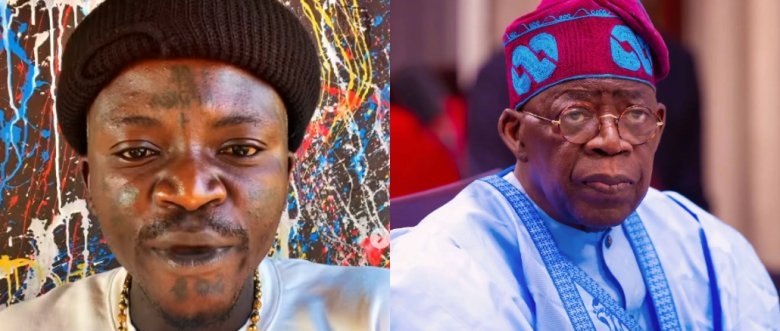
Nigerian singer Portable has revealed why many celebrities in the country remain silent on issues of insecurity and economic hardship, attributing their silence to fear of government retaliation. In a recent video statement, the “Zazu” crooner responded to British-Nigerian rapper Skepta’s call for Nigerian entertainers to use their platforms to demand justice and speak out against the nation’s challenges. Portable praised Skepta for his courage but warned that speaking up in Nigeria could lead to serious consequences, including arrest and passport confiscation. He emphasized that while celebrities are aware of the country’s worsening conditions, many are forced to stay quiet to protect their freedom and livelihoods.
Portable stated that entertainers face intimidation and oppression from authorities, with some still suffering repercussions for past remarks. He highlighted that criticism of the government can result in harassment, detention, or travel restrictions, making public dissent a risky endeavor. “Skepta, God bless you for remembering and speaking for Nigeria. However, you saying we, Nigerian celebrities, should speak up and demand justice, do you want the Nigerian government to pick us? They will arrest us if we speak up,” he said in the video. He further explained that those based in Nigeria are especially vulnerable, unlike their counterparts in the diaspora who face fewer risks.
The singer urged Nigerians abroad to continue speaking out, noting that they are safer from government retaliation. He maintained that while he cares about the nation’s struggles, he chooses to focus on his music and personal success to avoid jeopardizing his career and freedom. “Those of us in Nigeria, if we speak, we will be in big trouble. They might even seize our passports if we, celebrities, say what we are not supposed to say,” he added. His comments sparked reactions on social media, with some users praising his honesty and others expressing concern over the climate of fear affecting public discourse.
Many Nigerians agreed with Portable’s assessment, with one user noting, “This is the reason they won’t take people serious, what he said is true and yet people are laughing.” Another remarked, “That’s no longer a Democracy. Make I no talk too much as well, b4 dem pick me too.” The conversation underscores the growing tension between public expression and government control in Nigeria. As insecurity and economic hardship continue to affect millions, Portable’s words highlight the difficult choices facing public figures who wish to speak truth to power. His statement serves as a reminder of the broader challenges to free speech in the country, and the need for systemic change to allow open dialogue without fear.

Leave a Comment