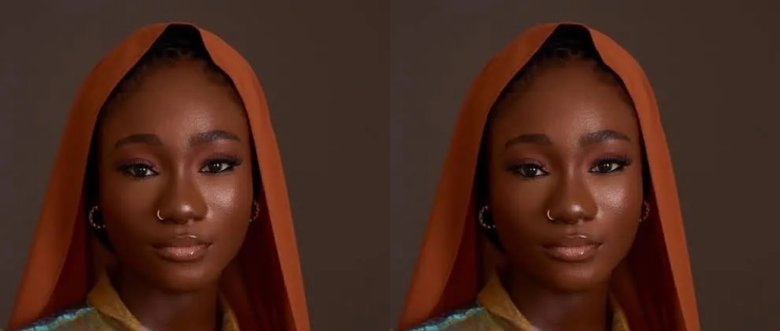
Media personality Hauwa has ignited widespread discussion across Nigerian social media platforms after openly advocating for divorce as a legitimate and sometimes necessary step toward personal happiness in relationships. In her latest statement, Hauwa emphasized that ending a marriage should not be viewed as failure, but rather as a courageous decision to free oneself from emotional distress and long-term unhappiness. She stated, “Divorce frees you from being unhappy for life,” a remark that has resonated with many who have experienced strained or toxic marital relationships. Her perspective challenges traditional societal norms that often pressure individuals to stay in marriages regardless of emotional well-being.
Hauwa’s comments have sparked intense debate online, with reactions ranging from strong support to criticism. Some users praised her for speaking truth to power, especially in a culture where divorce is often stigmatized. Others, however, questioned her credibility, with one user writing, “Coming from person wey never marry before…” Another commented, “Na fool go take this advice,” reflecting the deep cultural divide on the topic. Despite the backlash, many agreed that prioritizing mental health and personal fulfillment is essential in modern relationships. The conversation underscores a growing shift in how Nigerians view marriage and divorce, particularly among younger generations who value emotional compatibility over societal expectations.
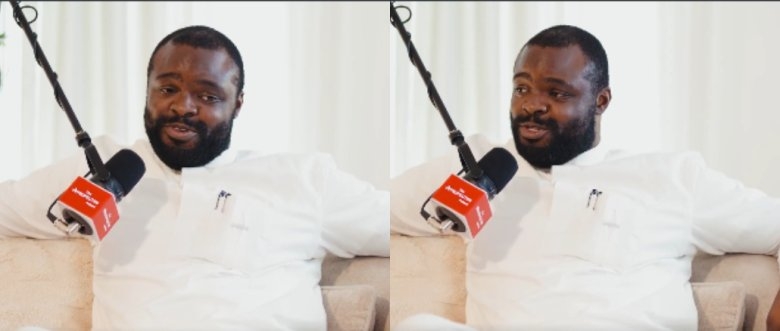
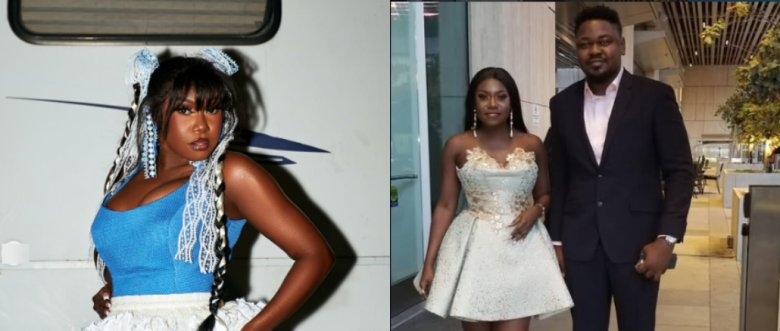
In a related development, another woman has also stirred online discourse by urging men to recognize their self-worth in relationships. She argued that cruelty and toxic behavior are not gender-specific, and that both men and women are capable of unfair treatment. Addressing men directly, she encouraged them to stop accepting mistreatment due to outdated societal roles. She referenced the popular phrase “we are not our mothers” to highlight that if women are rejecting traditional expectations, men should also feel free to redefine their roles. Her message: “Men, I wish you knew your worth. Wickedness is not gender-based, you people should start knowing your worth. If ladies are saying we are not our mothers, why should you act like their father?”
Her statement has prompted mixed reactions, with some applauding the call for mutual respect and self-respect in relationships, while others debated the implications of redefining gender roles. These discussions reflect broader societal changes in Nigeria, where conversations about mental health, individual happiness, and gender dynamics are becoming more open and visible. As more people speak out about their experiences, the national dialogue on relationships continues to evolve, pushing for more balanced, respectful, and emotionally healthy partnerships. The growing willingness to challenge traditional norms suggests that personal well-being may increasingly take precedence over cultural expectations in Nigerian relationships.


Leave a Comment