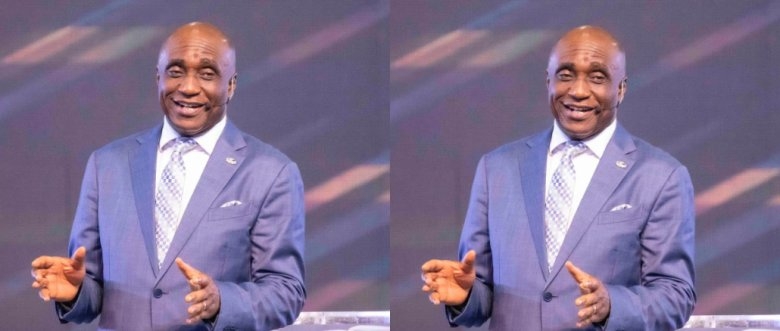
Pastor David Ibiyeomie has called on Nigerians to reject vote buying and choose leaders based on competence rather than party loyalty, warning that short-term financial gains undermine long-term national development. Speaking during a sermon, the prominent cleric emphasized that exchanging votes for money is a betrayal of conscience and democratic responsibility. He urged citizens to think beyond immediate benefits and consider the four-year impact of their choices. His remarks have sparked widespread discussion across social media platforms, with many users expressing support for his bold stance.
Ibiyeomie specifically criticized the role of religious leaders in political endorsements, arguing that clergy should not back candidates they know are incapable of delivering effective governance. He pointed to the judiciary as a key institution that has weakened the system, suggesting that systemic failures require more than just electoral reforms. “Don’t sell your conscience. Money collected for votes lasts a week; what about 4 years? Vote competence, not party. The judiciary has weakened the system. Clergy should stop endorsing leaders they know will not deliver,” he said, a quote that quickly went viral on X (formerly Twitter).
The statement resonated with many Nigerians who have long criticized the influence of religion in politics and the prevalence of vote buying during elections. Social media users praised Ibiyeomie for speaking truth to power, with some calling him “the best pastor of the year” and “the first pastor speaking up.” Others echoed his call for accountability, urging religious leaders to uphold moral standards rather than align with political interests. However, not all reactions were positive. Some users questioned his motives, suggesting he may be seeking personal gain or political relevance. One user sarcastically remarked, “Hehehe after you don collect benefits,” hinting at skepticism about his timing and intentions.
Despite the mixed responses, Ibiyeomie’s message has reignited public debate about ethics in Nigerian politics and the role of faith leaders in shaping electoral outcomes. His comments come at a time when voter apathy and distrust in political institutions are rising, making his call for integrity and competence particularly relevant. As Nigeria prepares for future elections, his words serve as a reminder that democratic progress depends on informed, principled choices. The impact of his message may extend beyond social media, influencing how citizens and religious leaders approach the next electoral cycle.





Leave a Comment