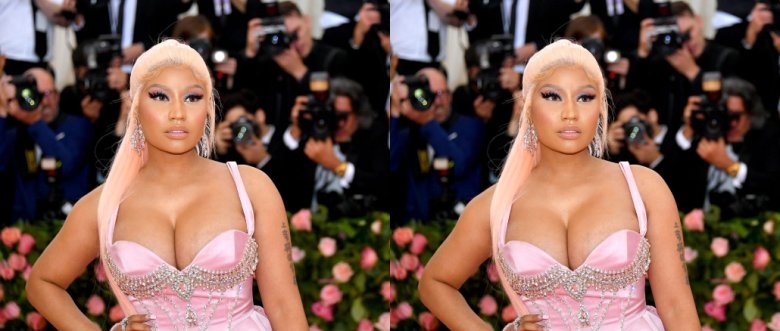
Nicki Minaj has raised concerns about systemic suppression in the music industry, claiming that powerful figures may be deliberately silencing artists who do not conform to their expectations. The Trinidadian-American rapper and singer made these remarks during a recent appearance on The Bryce Crawford Podcast, where she opened up about the challenges she has faced throughout her career. She suggested that talented musicians are often made “almost invisible” by industry gatekeepers who prioritize profit over artistic expression. Minaj emphasized that the obstacles she and others encounter are not always random, but may be part of a coordinated effort by influential insiders.
She described the music industry as a space where artists are treated more like business assets than creative individuals. According to Minaj, those who do not follow the unspoken rules or refuse to cooperate with powerful executives may be deliberately sidelined. While she did not name any specific individuals, her comments point to a deeper, more complex dynamic within the entertainment world. She believes that many of the struggles she has experienced — including delays in album releases and limited promotional support — may have been orchestrated by those in control.
Minaj also spoke about the emotional and psychological toll of navigating such an environment. She described her journey as “constant spiritual warfare,” highlighting the intense pressure and emotional battles she has faced. “It was constant spiritual warfare. I wish I kind of knew sooner that this music industry was such a spiritual experience because I felt like I brought a knife to a gunfight,” she said. Her words reflect a sense of vulnerability and hindsight, suggesting that she now sees the industry through a different lens — one that includes spiritual and emotional warfare.
The rapper’s comments have sparked conversations across social media and music forums in Nigeria and beyond. Many artists and fans have echoed her sentiments, sharing similar experiences of being overlooked or undervalued despite talent and hard work. The issue of artist suppression is not new, but Minaj’s candid remarks have brought renewed attention to the power dynamics within the global music industry. Her story resonates with young Nigerian musicians who often face similar challenges in gaining visibility and fair treatment.
As the music landscape continues to evolve, Minaj’s revelations may encourage more transparency and accountability within the industry. Her voice adds to a growing chorus of artists demanding respect, fair treatment, and genuine creative freedom. The conversation she has started could influence how future generations approach their careers, with greater awareness of the hidden forces at play.



Leave a Comment