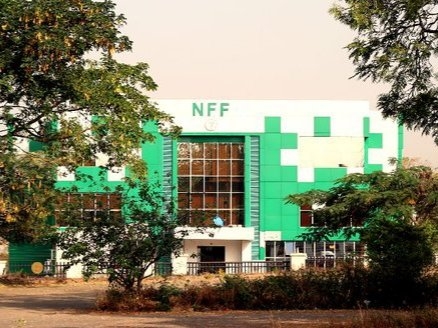
Nigeria’s football governance has entered a new phase of restructuring following the mass resignation of NFF President Alhaji Ibrahim Musa Gusau and his board members, with the federation now ordering the immediate handover of leadership in all four national leagues to Chief Operating Officers (COOs). This move marks a significant step in the ongoing house-cleaning exercise aimed at restoring order and transparency in Nigerian football. The directive applies to the Nigeria Premier Football League (NPFL), Nigeria National League (NNL), Nigeria Women Football League (NWFL), and Nationwide League One (NLO).
The NFF has instructed the current chairmen, directors, and chief executive officers of these leagues to step aside and transfer administrative control to their respective COOs. These COOs are typically internal staff members of the NFF, ensuring continuity in operations during this transitional period. In cases where the current COO is not an NFF employee, the Acting General Secretary will appoint a replacement from within the federation’s ranks.
This decision underscores the urgency for reform within the football structure, especially after the resignation of the previous leadership amid growing pressure from stakeholders, FIFA, and CAF. The interim measures are designed to maintain stability and prevent disruption in league activities while broader consultations continue. The NFF emphasized that these steps are temporary and part of a larger plan to design a comprehensive roadmap for the future of Nigerian football.
The federation stated that the transition is necessary to ensure uninterrupted administration as it engages with key partners including FIFA, CAF, government agencies, and other stakeholders. These discussions are expected to shape the next phase of reforms, which may include structural changes, financial oversight, and improved governance standards across all levels of the sport.
The move also reflects a broader effort to professionalize football management in Nigeria, aligning it with international best practices. With the COOs now assuming operational roles, the focus shifts to efficient day-to-day running of the leagues while long-term solutions are developed. Stakeholders have welcomed the initiative as a sign of accountability and progress.
As the NFF continues its engagement with global football bodies and local authorities, the football community remains hopeful that these reforms will lead to sustainable growth and greater success on the pitch. The coming weeks will be critical in determining the direction of Nigerian football under the new interim framework.



Leave a Comment