Multimillionaire Woman Refuses to Submit Easily in Marriage

Multimillionaire Woman Refuses to Submit Easily in Marriage

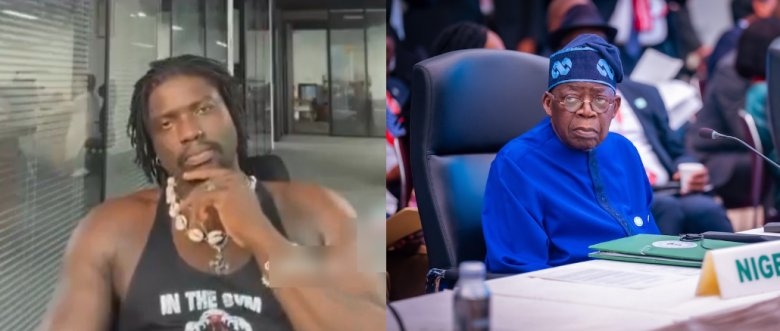
Nigerian singer Speed Darlington has sparked intense online debate after making controversial remarks about wealthy women and marriage, reigniting discussions on gender roles, power dynamics, and submission in relationships. In a recent social media post, the artiste stated that women who have built significant wealth through hard work may find it difficult to truly submit in marriage, citing power as a barrier to traditional marital expectations. His comments, shared during an online discussion, quickly went viral, drawing reactions from users across Nigeria and beyond.

Speed Darlington argued that women who have achieved financial success understand the sacrifices and effort required to reach their position, making it unlikely for them to willingly submit in a relationship. “I don’t believe that a woman worth multimillions would submit from her heart in a marriage. Power does not like to submit,” he said. He further emphasized, “She knows what it cost her to get to that level. She go just submit keh, I no believe am,” highlighting his belief that financial independence alters the dynamics of marriage.

The statement has divided public opinion, with some users agreeing that wealth and influence can indeed affect how individuals approach relationships. Others, however, criticized the singer for promoting outdated and gender-biased views, arguing that modern marriages should be built on mutual respect, communication, and partnership rather than submission. Many pointed out that successful women are not defined by their willingness to submit, but by their ability to lead, negotiate, and co-create relationships on equal footing.

Defenders of Speed Darlington’s stance noted that power, whether held by men or women, naturally resists subordination, and that this is a human trait, not a gender-specific issue. They suggested that his comments, while blunt, reflect a reality in many high-stakes relationships where financial autonomy influences decision-making and personal agency. Still, critics argue that the notion of “submission” in marriage is archaic and should not be a measure of a woman’s worth or compatibility in a relationship.

The conversation has become a trending topic on Nigerian social media, especially as more women rise to prominence in business, politics, entertainment, and other fields. Platforms like Twitter and Instagram have been flooded with discussions about gender equality, financial independence, and evolving relationship norms. As Nigeria continues to see a growing number of women achieving economic success, the debate over how wealth impacts marital roles is likely to persist.

Speed Darlington’s remarks have added fuel to an ongoing national conversation about what modern relationships should look like in a rapidly changing society. As more Nigerians engage in these discussions, the push for equitable, respectful partnerships continues to gain momentum.