Mr Jollof Declares Full Support for Tinubu Until 2031: “He’s Our In-Law, We’ll Back Him With Full Chest”

Mr Jollof Declares Full Support for Tinubu Until 2031: Hes Our In-Law, Well Back Him With Full Chest

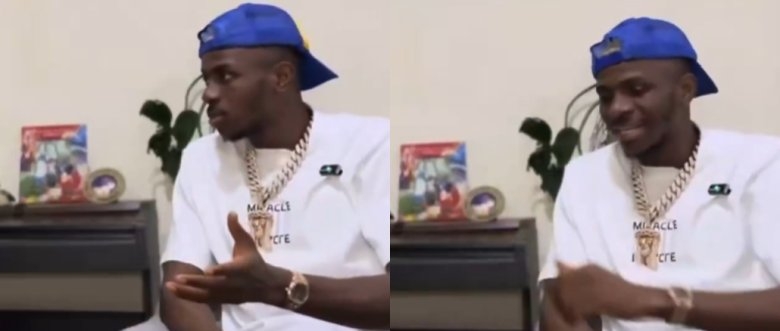
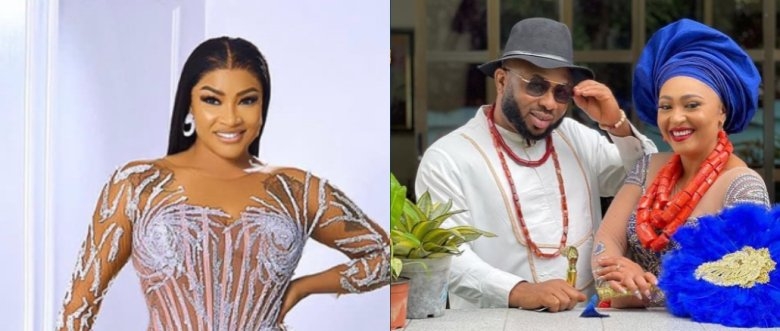
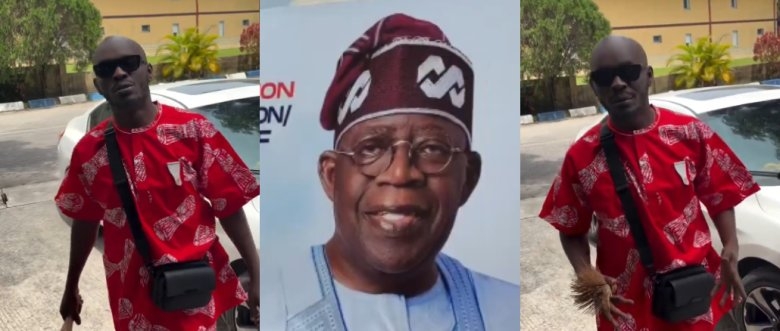
Mr Jollof has sparked widespread debate across Nigeria after publicly declaring full support for President Bola Ahmed Tinubu’s re-election bid in 2027, citing a personal connection through his wife’s ties to Mr Jollof’s community. In a viral video shared widely on social media, the popular comedian and content creator stated that he and his community would back Tinubu “with full chest,” adding that the president would remain in office until 2031. He explained that Tinubu is considered “an in-law” because his wife holds the title of a chief in the community and is regarded as “one of our own.”

The statement quickly ignited reactions on social media, with many Nigerians criticizing Mr Jollof for what they see as misplaced loyalty. Critics argue that his endorsement appears to be based on personal or tribal affiliations rather than the president’s performance in office. Issues such as rising insecurity, soaring inflation, and worsening economic hardship have dominated public discourse, and many users believe political support should be rooted in policy outcomes, not family ties.

One X user, @ann_omatf, expressed disappointment, writing, “Country first, not family first. Governance is not a marriage.” Another user, @AngelEmypresh, accused him of supporting “bad governance” because Tinubu is his “in-law,” calling him “shameless.” @Deesquare31 added a sarcastic note, saying, “Lazarus has risen from the dead, is time to show support to a president who has nothing to show for 4 years.” Others echoed similar sentiments, with @chinenyeeee commenting, “Not because he performed but where he married.”

Despite the backlash, some social media users defended Mr Jollof’s right to express his political preference. They emphasized that citizens, including public figures, are entitled to support any candidate they choose, especially as the 2027 elections approach. These defenders argue that political expression is a democratic right and should not be dismissed simply because it stems from personal connections.

The controversy highlights a growing tension in Nigerian politics between personal loyalty and national interest. As the 2027 elections draw nearer, public figures like Mr Jollof are under increasing scrutiny for their political endorsements. Their influence can shape public opinion, making their statements more than just personal declarations—they become part of the broader political conversation. This incident underscores the importance of accountability and transparency in political support, especially from those with large followings.