
In her analysis, she highlights VDM, a well-known activist who transitioned from content creation to public accountability campaigns. She points to his December 2024 claim that his NGO’s website and account were hacked, with 180 million naira allegedly diverted and only 20 million remaining. The story drew skepticism when police confirmed no formal case had been filed. VDM later clarified that no money was missing and that the incident was a staged stunt to expose how quickly people jump to conclusions. Since then, his lifestyle has visibly improved, with increased travel and luxury, which she observes as a sign of how activism can become a lucrative career.
She also references Harrison, a human rights activist involved in anti-kidnapping efforts, who faced allegations in late 2025 of misappropriating ransom money meant for a kidnapped couple. While she stresses that her critique is not solely about these individuals, she argues that many activists begin with good intentions but are driven by financial instability. As advocacy becomes their primary source of income, she says, it transforms from a moral calling into a career powered by public suffering.
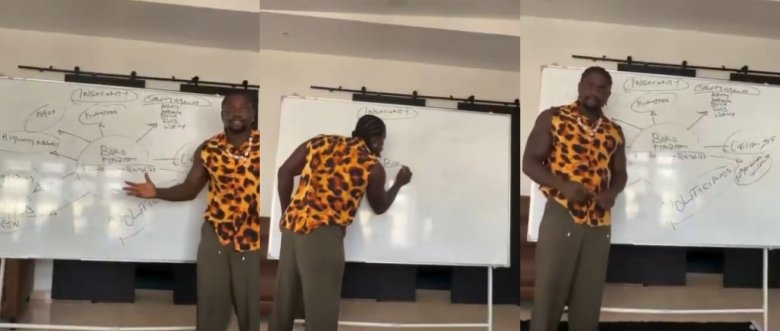
She further explains that Nigerian society often elevates activists to celebrity status, reducing scrutiny and turning criticism into perceived witch hunts. This emotional loyalty to individuals over causes, she warns, undermines the very purpose of activism. She concludes that while activists may not directly ask for money for themselves, they use poverty as a proxy to gain support, turning suffering into a script for public engagement. As the debate continues, her video has prompted deeper reflection on the ethics and sustainability of activism in Nigeria.




Leave a Comment