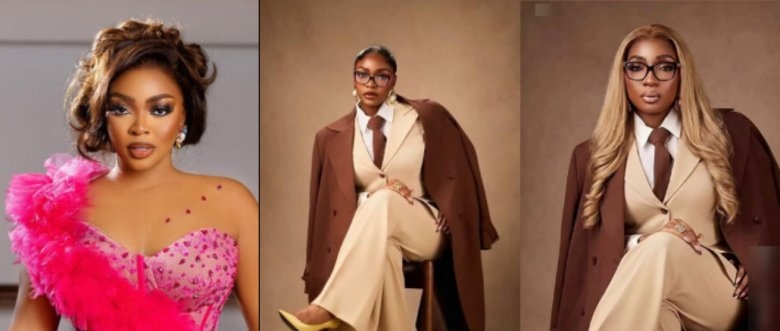
Nigerian content creator Ogechi Ukonu, popularly known as Caramel Plug, has accused Nollywood actress Anita Joseph of editing her face out of a birthday photoshoot and replacing it with her own, sparking a viral controversy across social media platforms. The incident, which gained traction after Caramel shared her original birthday images, has ignited debates about digital ethics, identity, and the use of AI in content creation. Caramel, who celebrated her birthday with a stylish photoshoot and a heartfelt message of gratitude to God, was shocked to find her image altered and reposted by Anita Joseph without her consent.
Caramel’s birthday post featured her in elegant poses, showcasing her fashion sense and confidence. She wrote, “Happy Birthday Ogechi Ukonu 🎉🎊🥂 And just as Esther’s life was in Alignment with God’s purpose, so will Mine continue to be…God is good! & I will definitely be shaking my nyash todayyy for sure! 😁🥂.” The post was initially well-received, with fans praising her look and message. However, days later, the same photos resurfaced on Anita Joseph’s social media page — but with a major change. Caramel’s face had been digitally replaced with Anita’s, and the actress captioned the image: “A woman cannot submit and be in survival mode at the same time.”
Anita’s post included interactions with followers that gave the impression she was the original subject of the photoshoot. This led to widespread confusion and speculation online. Caramel, who confirmed she has no personal or social media connection with Anita, took to Snapchat to express her disbelief and disappointment. She wrote, “You don’t even follow me on any socials, we don’t know each other. Anita, you removed my head from my picture and inserted your head in it and posted it publicly.” Her message quickly went viral, drawing reactions from netizens who questioned the ethics behind such an act.
Social media users divided over the incident, with some defending the use of AI tools for creative expression, while others condemned the act as disrespectful and misleading. Comments ranged from amusement to criticism, with one user saying, “This one na proper ‘your head, my body’ drama. AI boys, una dey try too much!” Another remarked, “Some people too day do sha what the f did I just watch 😂.” The debate has highlighted growing concerns about digital manipulation and ownership in the age of artificial intelligence.
As the conversation continues, the incident serves as a reminder of the importance of consent and credit in digital content sharing. It also underscores how quickly images can be altered and misattributed, especially in the fast-moving world of social media. The public’s reaction suggests a growing demand for transparency and accountability among influencers and celebrities. Moving forward, this episode may prompt more discussions about digital rights and ethical practices in Nigeria’s evolving online culture.


Leave a Comment