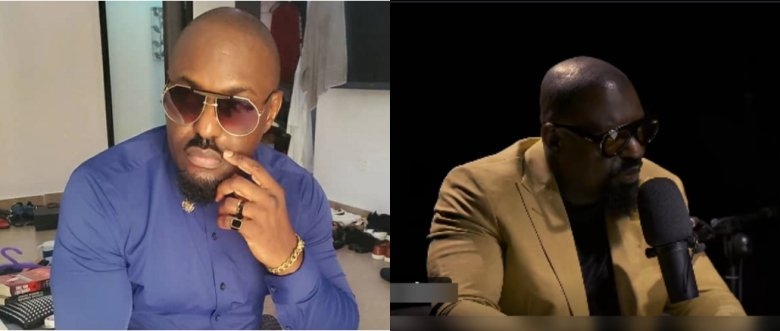
Nollywood actor Jim Iyke has ignited a national debate after making controversial statements about the entertainment industry, claiming it is a breeding ground for negative spiritual forces and a major promoter of values contrary to his religious beliefs. In a viral social media post shared on July 8, 2026, Iyke declared, “There is no bigger enabler than the entertainment industry. This is where d£mons live. Entertainment is totally orchestrated and created to extol the virtues of S@tanism. Nothing in the industry glorifies God.” The statement, posted via a tweet by Instablog9ja, quickly spread across Nigerian social media platforms, sparking intense reactions from fans, fellow entertainers, and the public.
Iyke’s remarks reflect a deep concern about the moral direction of the Nigerian film and music sectors, which he believes prioritize materialism, immorality, and spiritual emptiness over faith and righteousness. He argues that the industry’s content, from movies to music videos, is deliberately designed to elevate what he sees as satanic influences, rather than promoting divine principles. His words have resonated with some religiously minded Nigerians who share his perspective, particularly those who believe the entertainment world often glorifies reckless lifestyles, sexual promiscuity, and greed.
However, the comments section under the post reveals a divided audience. While some users like @Graduate🎓 and @A L B R I G H T echoed Iyke’s sentiments, others, including @Meks, criticized him for speaking negatively about younger entertainers and for what they see as unnecessary hatred. @Chiamaka Nnosiri’s comment, “Movie industry just Dey confuse themselves with BBL,” highlights skepticism toward the industry’s self-perception and influence. Meanwhile, @Irechukwu Clinton Uchechi referenced a previous statement Iyke made about education, suggesting the actor’s recent comments are part of a broader pattern of controversial opinions.
The backlash underscores the ongoing tension between religious values and the creative freedom that defines Nigeria’s entertainment landscape. Many artists argue that their work is a form of expression and cultural reflection, not a deliberate attempt to undermine faith. Still, Iyke’s bold declaration has opened a space for deeper conversations about morality, spirituality, and responsibility in the media. As Nigeria’s entertainment industry continues to grow in global reach, such debates are likely to become more frequent, shaping public discourse on ethics in art and entertainment.



Leave a Comment