Nana Otedola Clarifies National Identity: “I’m Proudly Nigerian, Not Ghanaian”

Nana Otedola Clarifies National Identity: Im Proudly Nigerian, Not Ghanaian

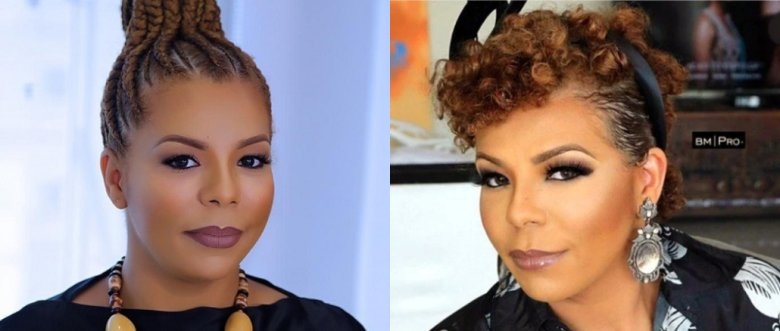
Nana Otedola, wife of billionaire businessman Femi Otedola and mother to media stars DJ Cuppy and Temi Otedola, has officially clarified her ethnic background in a viral video, putting an end to years of public speculation about her heritage. The conversation, shared with her pregnant daughter Temi, has sparked widespread attention across social media platforms. In the video, Nana firmly stated that she is an Egba woman from Abeokuta in Ogun State, emphasizing her Nigerian identity and correcting assumptions that she is Ghanaian.

The misconception about her ethnicity has persisted for years, largely due to her name and appearance, which some people have linked to Ghanaian culture. However, Nana made it clear that her roots are deeply embedded in the Egba people of southwestern Nigeria. She expressed pride in her heritage and stressed that she is not Ghanaian, despite the confusion that has surrounded her identity.

Nana explained that she was born in Kaduna State and lived there for nearly two decades during her formative years. This long association with northern Nigeria, she noted, may have contributed to the misunderstanding about her ethnic background. “I was born in Kaduna and lived there for almost two decades,” she said, adding that while her upbringing was in the north, her cultural and ancestral ties remain firmly with the Egba people of Abeokuta.

She further clarified that her identity is not defined by where she was born or raised, but by her lineage and heritage. “For everyone who has been wondering, I am an Egba woman, and that is the heritage I proudly identify with as a Nigerian. I am not a Ghanaian. My roots are in Abeokuta,” she stated with conviction.

The video has generated significant reactions online, with many users applauding her for taking the time to set the record straight. Some social media users, however, have asked for more details, such as the origin of her father or her full family history. Others have expressed interest in seeing a documentary about her life, highlighting the public’s continued fascination with her story.

Nana’s clarification not only addresses a long-standing question but also underscores the importance of cultural identity in Nigeria’s diverse society. As public figures increasingly share their personal stories, her openness may encourage others to embrace and celebrate their roots with pride. This moment marks a significant step in affirming her Nigerian heritage and dispelling myths that have circulated for years.