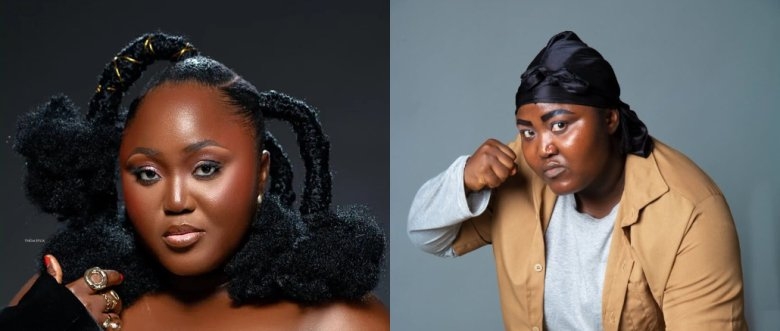
According to the actress, the show’s creators were careful not to depict the more graphic aspects of the character’s life, and the overall narrative was focused on storytelling rather than moral judgment. She stressed that the project was not an endorsement of any particular behavior, but an attempt to present a slice of reality that many viewers might not be aware of. Obasi also highlighted the positive messages embedded in the series, which she believes outweigh the negative reactions from some quarters.
She recounted how certain Christian viewers attacked her personally, accusing her of compromising her faith by taking on the role. In response, she said, “The Christians came for me and attacked. They said ‘as a child of God how would I take such role’ and I said ‘we are telling real stories of what happens in the prison.’ However, the production company was sensitive enough not to depict the horridness of it. They are not in support of it (lesbianism) but they are telling the story. There is so much positivity. I put my mind on that.”
Online reactions to her comments were mixed. Some social media users supported her, arguing that art should reflect reality and that the role’s significance should be evaluated based on context, not personal morality. Others maintained that Christians should uphold their values even in professional settings. The debate continues to spark discussions about the boundaries between artistic expression and religious beliefs in Nigeria’s entertainment industry.
As Nollywood continues to evolve and tackle complex social themes, Blessing Nze Obasi’s experience underscores the growing tension between creative freedom and cultural expectations. Her role in Blood Sisters may be fictional, but the real-world conversations it has sparked are far from over.

Leave a Comment