Falana and Falz Lead Lagos Protest Against Insecurity on Democracy Day

Falana and Falz Lead Lagos Protest Against Insecurity on Democracy Day

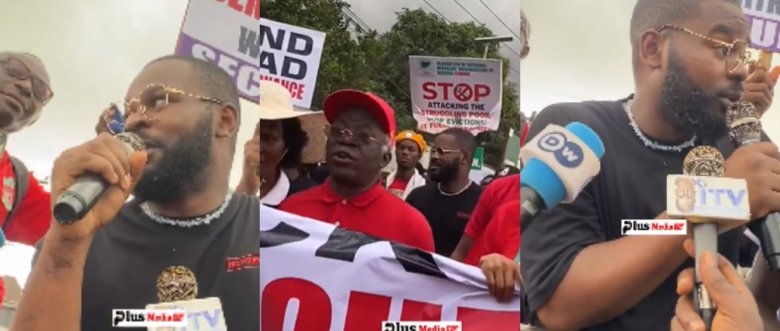
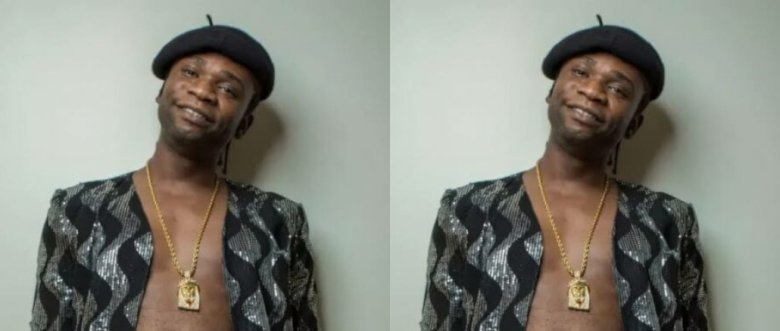
Human rights lawyer Femi Falana (SAN) and his son, rapper Falz, joined thousands of Lagos residents in a Democracy Day protest on June 12, 2026, demanding urgent government action on rising insecurity, kidnappings, unemployment, and economic hardship across Nigeria. The demonstration, held in Lagos and coordinated with similar protests in other cities, brought together civil society groups, youth movements, labour unions, and members of the #EndBadGovernance movement. Protesters carried placards highlighting the dangers of insecurity in various parts of the country, calling for safer communities, better protection for citizens, and immediate solutions to the nation’s deepening crises.

Falz, known for his activism on social issues, raised concerns about the safety of students in schools amid repeated abductions and attacks. He questioned the government’s decision to keep schools open in areas where insecurity remains a major threat. His comments echoed the sentiments of many young Nigerians who feel their future is being jeopardized by failing security and economic policies. The protest also emphasized the need for job creation, relief from soaring inflation, and improved living conditions for all citizens.

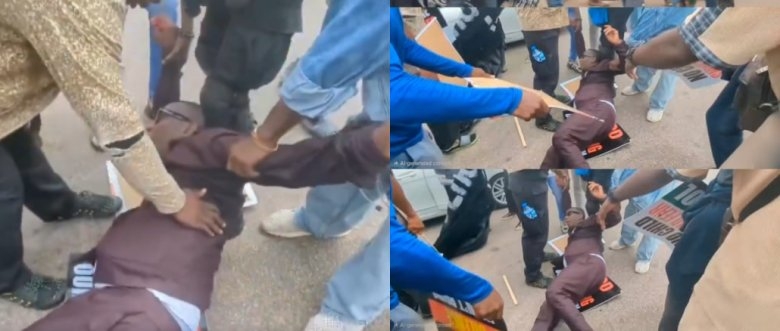
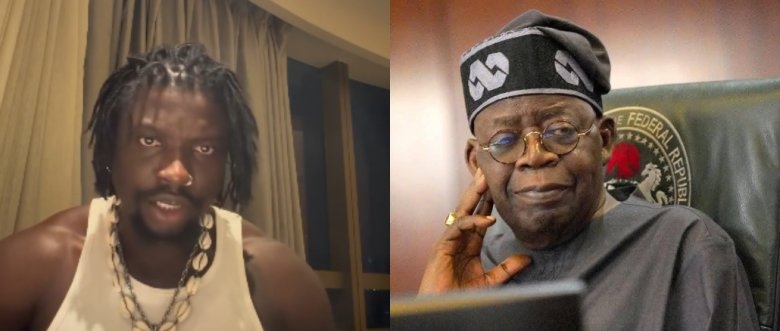
The event drew widespread attention on social media, with Nigerians reacting in diverse ways. Some praised the courage of the protesters, while others criticized the timing and perceived selectivity of the demonstrations. One user, @tosin_olarewaju, said, “If the government don’t know what to do, we will start teaching them how to do it.” Another, @mebangz20_10_20, questioned the use of teargas, asking, “Who would throw teargas at this people?” Meanwhile, @saintxylr accused protesters of being “greedy” for only acting when insecurity reached Lagos. Others, like @Omosalako2, credited VeryDarkMan for sparking the wave of protests, while @muyiwa_50138 noted the growing trend of protests becoming competitive among different groups.

Despite the online debate, the protest remained focused on core demands: stronger security measures, safer schools, economic relief, and accountable governance. The presence of Femi Falana, a respected legal figure, and Falz, a prominent cultural icon, underscored the broad-based nature of the public’s frustration. Their participation highlighted how the call for change is no longer confined to one group or region but has become a national movement. As Nigeria marks another Democracy Day, the protests serve as a stark reminder that true democracy must include security, economic justice, and responsive leadership — not just the celebration of a date on the calendar.