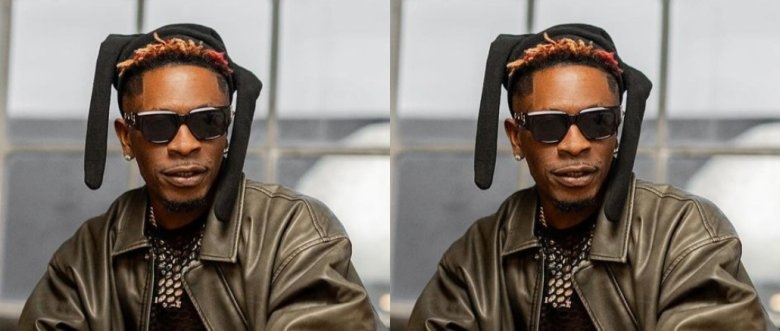
Ghanaian dancehall superstar Shatta Wale has made waves across social media and entertainment circles after revealing he earns up to $1 million per show in Ghana, a figure that has sparked both admiration and skepticism. In a recent statement, the artist emphasized that the respect and recognition he receives in his home country are on par with global icons like Jay-Z and Beyoncé, which is why he chooses not to actively pursue international performances. He added that he would turn down offers as low as $300,000, insisting promoters return with a bigger budget if they want his presence.
The 37-year-old musician, known for hits like “Benzema” and “Kwaku the Man,” made the remarks during an online exchange that quickly went viral. His comments, shared via a tweet by YabaLeftOnline on June 8, 2026, highlighted his confidence in his market value and the level of demand for his performances in Ghana. “I get paid up to $1 million per show in Ghana. The respect I get there is the same respect they give to Jay-Z and Beyoncé, that’s why I don’t chase international shows. If you offer me $300,000, I’ll tell you to keep the money & come back when you have big budget,” he stated.
Shatta Wale’s declaration has drawn mixed reactions from fans and critics alike. Some supporters praised his boldness and self-worth, applauding his refusal to settle for less. Others, however, questioned the authenticity of his claims, pointing out that even top-tier African artists rarely command such fees locally. Critics like Twitter user @Cookdem argued, “Even Artists that are better than you on this continent don’t get paid $1M locally,” while @EMILIA💋 raised concerns about ticket pricing and audience size, asking, “If they do the math for the tickets, how many people are paying?”
The debate reflects broader conversations about artist valuation, market dynamics, and the economic realities of the African music industry. While Shatta Wale’s domestic success is undeniable—he has sold out major stadiums and festivals across Ghana—his claim of $1 million per show remains a point of contention. Promoters and industry insiders have not publicly verified the figure, leaving room for speculation.
Regardless of the debate, Shatta Wale’s statement underscores a growing trend among African artists asserting their worth in local markets. As the continent’s music scene continues to expand globally, artists like him are redefining how value is measured—not just in dollars, but in respect and influence. His stance may inspire others to demand fair compensation and recognition, shaping the future of African entertainment.


Leave a Comment