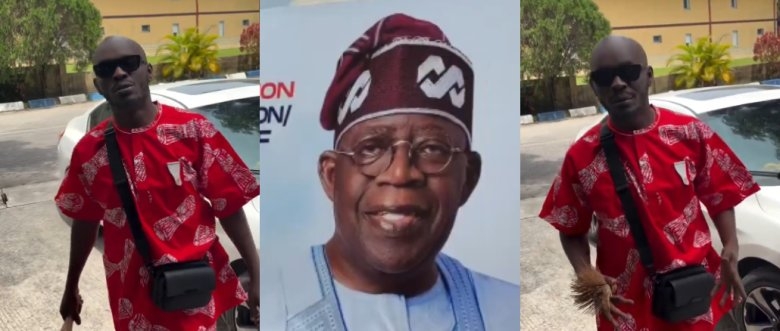
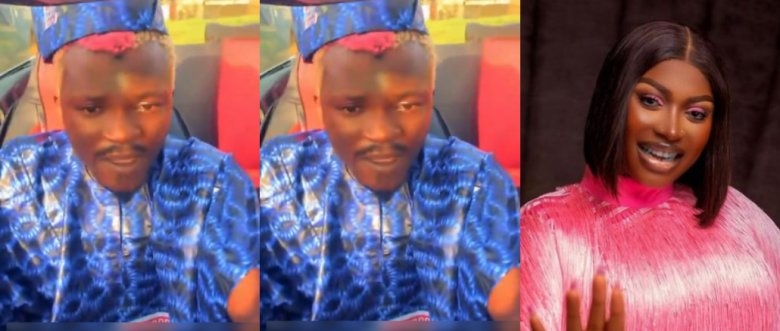
Despite the backlash, some social media users defended Mr Jollof’s right to express his political preference. They emphasized that citizens, including public figures, are entitled to support any candidate they choose, especially as the 2027 elections approach. These defenders argue that political expression is a democratic right and should not be dismissed simply because it stems from personal connections.
The controversy highlights a growing tension in Nigerian politics between personal loyalty and national interest. As the 2027 elections draw nearer, public figures like Mr Jollof are under increasing scrutiny for their political endorsements. Their influence can shape public opinion, making their statements more than just personal declarations—they become part of the broader political conversation. This incident underscores the importance of accountability and transparency in political support, especially from those with large followings.
Leave a Comment