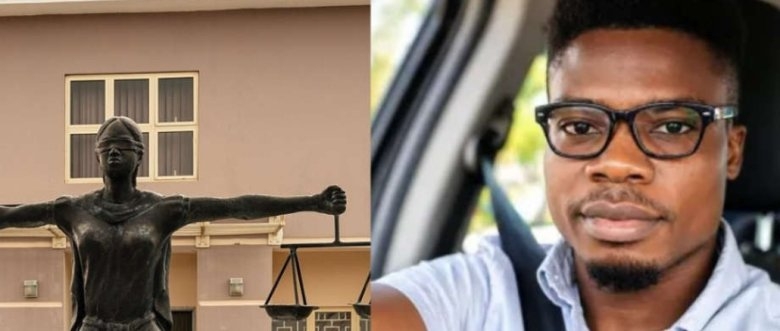
Justice Chidiebere Mark, widely known as Justice Crack, has been granted ₦5 million bail by a Federal High Court in Abuja following a high-profile court appearance amid intense public scrutiny. The activist, who was arrested in late April over viral videos criticizing the treatment of Nigerian soldiers on the frontlines, appeared before the court as part of ongoing legal proceedings. The court ordered that the bail be secured by one surety who must be a Level 17 civil servant and a property owner within Abuja. This development comes as the case continues to spark national debate over freedom of expression and the rights of citizens to speak out on matters of public interest.
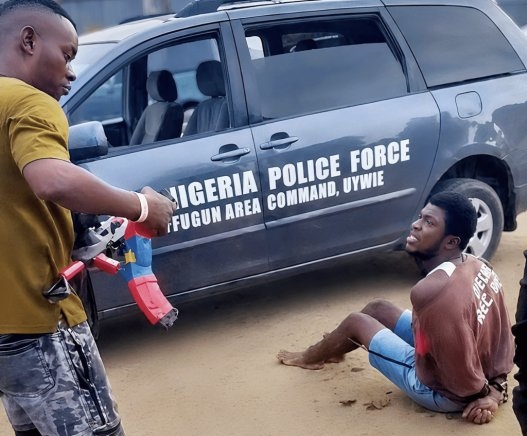
Justice Crack’s arrest followed the circulation of videos he posted online highlighting what he described as poor conditions and mistreatment of soldiers engaged in combat operations across Nigeria. The authorities have charged him with cybercrime offences, including spreading false information and incitement, allegedly linked to the content of those videos. His supporters argue that the charges are politically motivated and amount to an attempt to silence dissent, especially on issues concerning military welfare and national security.
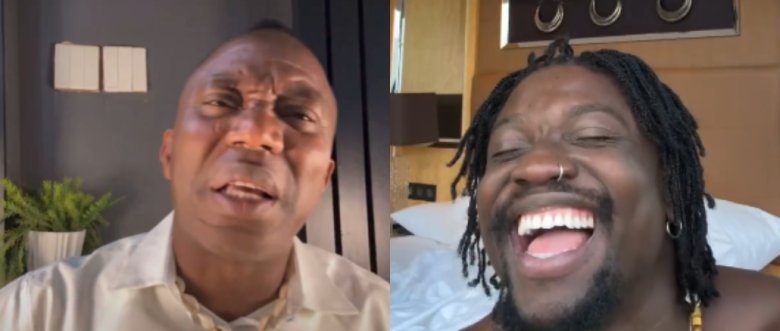
The court hearing was marked by tension outside the courtroom, where activist Omoyele Sowore and several other supporters confronted security operatives. Sowore accused security personnel of restricting access to the public and media, claiming that journalists and members of civil society were denied entry to the proceedings. He also alleged that a lawyer present at the scene was assaulted during the incident, raising concerns about the conduct of security agencies during judicial processes.
These events have intensified discussions on social media and among legal experts about the right to public access to court hearings, a constitutional guarantee in Nigeria. Many Nigerians continue to express solidarity with Justice Crack, viewing him as a voice for accountability in the military and a defender of soldiers’ rights. Activist groups have called for his immediate release, emphasizing that his actions were aimed at drawing attention to the plight of frontline troops battling insecurity in various parts of the country.
As the legal process unfolds, the case remains a focal point in Nigeria’s ongoing conversation about the balance between national security and civil liberties. The outcome of Justice Crack’s trial may set a precedent for how the judiciary handles cases involving digital activism and criticism of state institutions. The public remains closely watching, hopeful that justice will be served in a manner that upholds both the rule of law and the right to free expression.


Leave a Comment