
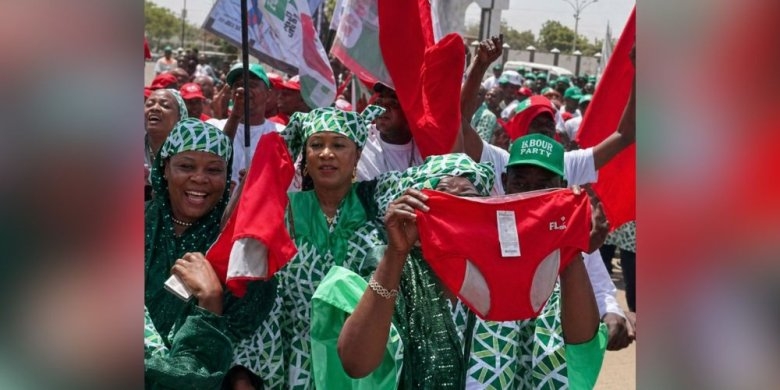
His comments come amid increasing scrutiny of the motives behind Nigeria’s frequent protests, especially those demanding government accountability, economic reforms, and security improvements. While some view protests as essential to democratic participation, others, like DeeOne, question whether they are truly independent or merely instruments of political strategy. The debate has also raised concerns about transparency in civil society organizations and the need for clearer distinctions between authentic activism and politically driven campaigns.
DeeOne’s observations reflect a broader national conversation about the integrity of public dissent in Nigeria. As protests continue to shape the country’s political landscape, questions about their origins and funding will likely remain at the forefront. His statement may prompt renewed calls for greater accountability and transparency within activist circles, ensuring that movements remain true to their causes and not swayed by political interests. The future of protest in Nigeria may depend on whether citizens can trust that their voices are being heard without manipulation.


Leave a Comment