
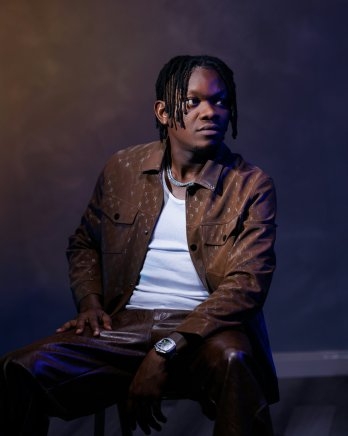
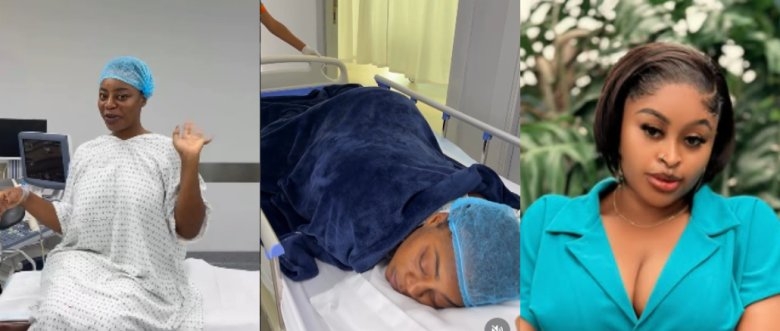
Solomon Buchi, a well-known public commentator in Nigeria, has sparked intense online debate after condemning a YouTuber couple who terminated their pregnancy following a prenatal diagnosis of Down syndrome. The couple shared their experience in a widely viewed video, explaining their decision was based on medical advice and personal circumstances. Their story quickly went viral, drawing reactions from across the country and reigniting discussions on reproductive rights, disability ethics, and the value of human life.
The YouTuber couple revealed that prenatal tests confirmed their unborn child had Down syndrome, a genetic condition that affects physical and cognitive development. They stated that after careful consideration and consultation with medical professionals, they chose to terminate the pregnancy. The video, which detailed their emotional journey, gained significant traction on social media platforms, prompting both support and criticism from viewers.
Solomon Buchi responded strongly, calling the decision “deeply wrong.” In his statement, he emphasized that every human life, regardless of medical condition, holds intrinsic value. “Aborting a child because they have Down syndrome is deeply wrong,” he said, urging society to protect the vulnerable and uphold moral integrity in reproductive choices.
His remarks have divided public opinion. Some Nigerians agree with Buchi’s stance, viewing it as a defense of life and dignity for persons with disabilities. Others, however, argue that his position fails to consider the real-life challenges families may face, including financial strain, emotional toll, and long-term care needs associated with raising a child with special needs.
Supporters of the YouTuber couple stress that reproductive decisions are deeply personal and should be respected. They argue that parents have the right to make choices based on their circumstances, especially when facing conditions that may significantly impact their family’s well-being. The couple’s decision, they say, reflects a complex reality that must be approached with empathy rather than judgment.
The incident has brought renewed attention to Down syndrome awareness and broader issues of disability rights in Nigeria. Many are calling for more informed, compassionate conversations that balance ethical concerns with personal autonomy. As the debate continues, experts and advocates are urging policymakers and the public to consider both medical realities and human rights when discussing reproductive choices.
This controversy underscores the need for greater public education on genetic conditions and the importance of accessible, non-judgmental support systems for families facing difficult decisions. The discussion is likely to persist as more Nigerians grapple with the intersection of ethics, medicine, and personal freedom.



Leave a Comment