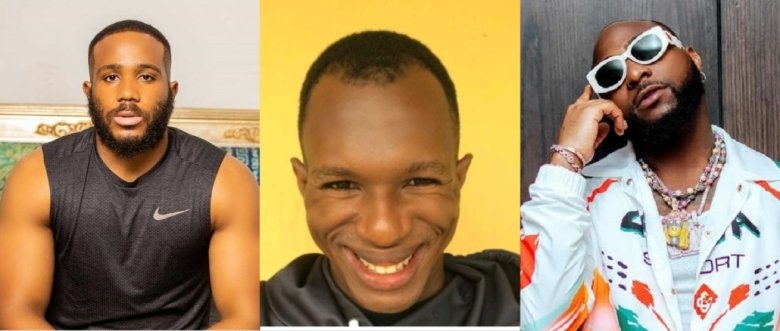
The ongoing public feud between Afrobeats superstar Davido and DJ Tunez, Wizkid’s longtime DJ, has intensified, sparking widespread debate across social media and drawing in prominent figures like former BBNaija housemate Kiddwaya and social commentator Daniel Regha. The conflict began when DJ Tunez publicly questioned Davido’s financial independence, implying the singer relies heavily on his father’s wealth. Davido responded sharply, suggesting that Tunez’s father left him nothing, and that he may have inherited frustration instead—fueling his attitude and public comments. The exchange quickly escalated, turning into a broader conversation about wealth, privilege, and social responsibility in Nigeria.
The initial remarks from DJ Tunez were perceived as a dig at Davido’s perceived dependency on family money, a sensitive topic in a country where economic hardship is widespread. Davido’s retort was equally pointed, framing Tunez’s upbringing as one of deprivation, which may explain his bitterness. The back-and-forth quickly captured public attention, with fans and critics alike weighing in on social media platforms. The debate soon expanded beyond the two artists, as Daniel Regha entered the conversation with a critical take on Davido’s public persona and the broader narrative around wealth in Nigeria.
Regha argued that Davido frequently uses his father’s success and the Adeleke name to gain advantage, without acknowledging the systemic issues that allow such wealth to accumulate. He stated, “Davido is always quick to brag about his dad’s wealth or success, or use the Adeleke name to score points, but forgets one crucial fact, there are no ethical billionaires.” He further emphasized that in a nation grappling with poverty and underdevelopment, being wealthy is not a cause for celebration but a responsibility. According to Regha, many of Nigeria’s wealthy individuals are not solving societal problems but are instead beneficiaries of corruption and poor governance. He added, “The wealthy people we have in this country aren’t problem solvers, and never have. All are wealthy because the govt doesn’t want to do their jobs, and all are friends with the people in power or associates; That alone compromises their integrity.”
Kiddwaya, however, pushed back against Regha’s perspective, mocking the commentator’s lifestyle and implying that his views might change if he came from wealth. In a viral tweet, Kiddwaya wrote, “If your daddy had money you sef will be tweeting your rubbish from a private jet instead of posting your eba and egusi soup from a single cooker.” The comment sparked laughter and debate online, with users reacting with memes, sarcasm, and serious reflections on class and privilege. Social media users like @drealprisy and @jpce03 highlighted the irony and humor in the situation, while others like @1stladyijay pointed to deeper societal issues, suggesting that envy of the rich often stems from personal struggles with poverty.
As the conversation continues, it reflects a larger national dialogue on wealth, inheritance, and social mobility in Nigeria. The clash between Davido and DJ Tunez has become more than a celebrity spat—it’s a mirror to the country’s complex relationship with money, fame, and justice. What started as a personal jab has evolved into a cultural moment, prompting Nigerians to question who truly benefits from the system and who bears the burden of its failures. The debate is far from over, and its impact may linger long beyond the latest tweet.
Leave a Comment