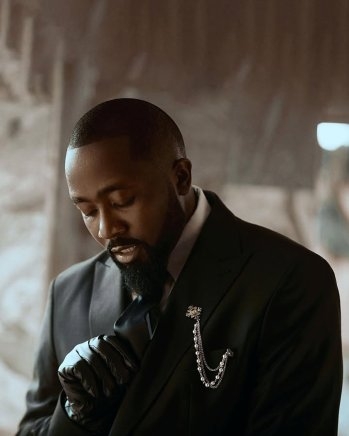
Nigerian music artist Ice Prince has responded to widespread backlash following his performance at the 2026 All Progressives Congress (APC) national convention, a decision that drew criticism amid ongoing national concerns over insecurity and economic hardship. The event, held during a period of heightened public anxiety, sparked debate over the role of entertainers in political spaces and whether artists should remain neutral or use their platforms to demand accountability from leadership. Many Nigerians expressed disappointment, arguing that Ice Prince’s appearance at a ruling party gathering was inappropriate given the country’s current challenges.
In a recent episode of the Black Box podcast, Ice Prince addressed the controversy directly, explaining that his participation was not a political endorsement but a personal decision rooted in family ties. He revealed that the event was booked by Nentawe Yilwatda, the APC National Chairman, whom he described as his “real uncle.” “Who booked me for that event? My uncle Nentawe Yilwatda who is the APC Chairman. He is not just a random person to me. He is my real uncle,” Ice Prince stated, emphasizing the familial connection behind his involvement.
Despite his clarification, critics maintained that entertainers have a responsibility to speak truth to power, especially during times of national crisis. Some argued that artists should leverage their influence to push for policy changes rather than perform at events that may be seen as legitimizing the status quo. Others questioned whether personal relationships should override public perception, particularly when the country faces serious issues like rising insecurity and inflation.
The incident has reignited discussions about the intersection of art, politics, and public responsibility in Nigeria. While some supporters defended Ice Prince’s right to accept personal invitations, others stressed the need for celebrities to consider the broader social context of their actions. The debate reflects a larger conversation about the expectations placed on Nigerian entertainers, who often find themselves at the center of both cultural and political discourse.
As the conversation continues, Ice Prince’s performance remains a focal point in discussions about celebrity involvement in politics. The incident underscores the delicate balance artists must navigate between personal relationships and public image, especially during times of national uncertainty. Moving forward, it may prompt more artists to reflect on how their choices resonate with the public and contribute to the national dialogue.
Leave a Comment