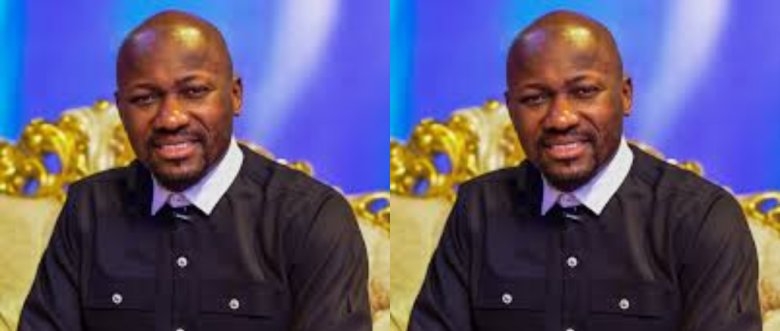
Apostle Johnson Suleman has ignited widespread debate across Nigeria after alleging that President Bola Ahmed Tinubu rigged his own unopposed primary election, a claim that has drawn both praise and criticism from Nigerians on social media. The senior pastor of Omega Fire Ministries International made the remarks in a viral video where he accused the president of being “very corrupt” and deeply entrenched in election manipulation. According to Suleman, Tinubu’s long history of influencing electoral outcomes has led him to apply the same tactics even in a primary election where he faced no opposition.
The statement quickly spread across platforms like Twitter and Facebook, sparking intense reactions from citizens, political analysts, and religious leaders. Some users defended Suleman’s boldness, calling him fearless and truthful, while others questioned the validity of the claim, especially since the APC primary was officially declared unopposed. One user, @Bunikemm, commented, “General Election is already rigged and result READY. You gave him something he asked you to drop it on the floor then he stole it.” Another, @Learned_Barber, expressed skepticism, asking, “I thought about these on the day I saw videos of the primary. But why?”
Several social media users suggested strategic motives behind the claim. @AugustinBlessed noted, “It was a strategic move and calculation..the inflated figures will help them inflate vote next year per party numbers.” Others called for greater civic engagement, with @Desty2d urging, “The message should now be let all the member’s get their PVC’s. We must change the narratives in 2027.” The tone of the online discourse reflected growing public concern over electoral integrity and transparency in Nigeria’s political system.
The controversy has added fuel to ongoing discussions about governance, democracy, and the upcoming 2027 general elections. With Nigerians increasingly scrutinizing political processes, Suleman’s remarks have become a flashpoint for debates on accountability and electoral fairness. His comments also highlight the deepening polarization in the country’s political landscape, where faith leaders are now playing a more visible role in public discourse.
As the 2027 elections approach, the conversation around election rigging, voter participation, and party conduct is expected to intensify. Suleman’s latest statement may serve as a catalyst for greater public scrutiny of political processes, especially within the ruling APC. The coming months will likely see more voices, both religious and secular, weighing in on how Nigeria can ensure free, fair, and credible elections.



Leave a Comment