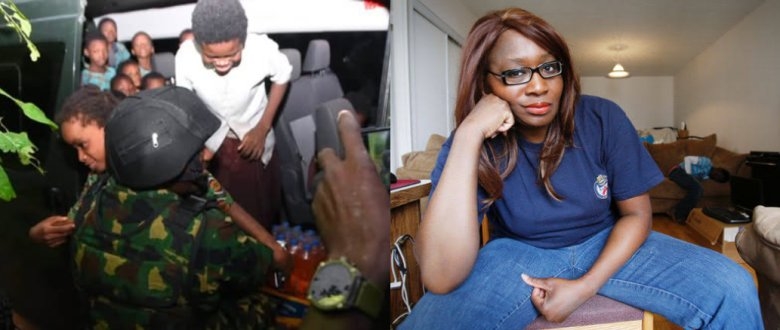
Kemi Olunloyo has sparked widespread debate by challenging the official narrative of the release of schoolchildren and teachers abducted in Oriire Local Government Area of Oyo State, alleging without evidence that no rescue operation took place and suggesting a government cover-up. In a post shared on X, the media personality claimed the victims were simply returned after being taken to northern Nigeria, dismissing the idea of a military rescue mission. She further alleged that pressure from the United Nations and an investigation reportedly linked to former U.S. President Donald Trump played a role in their release, though she provided no proof to back these claims.
Olunloyo’s statement, which read: “I just blasted the Nigerian army on X. Many of you are equally daft. There was no rescue. They simply brought back those kids from the north the same way they took them,” quickly gained traction online. Her comments have fueled speculation and controversy, especially as they contradict official reports from security agencies. These agencies had previously confirmed that the victims were freed after weeks in captivity, following a coordinated effort by military and security operatives.
She also claimed that the Presidency had instructed the released victims and their families not to speak to bloggers, podcasters, or journalists, raising questions about transparency. “What are they hiding?” Olunloyo asked, implying that authorities were concealing information about the operation. She added that the victims were reportedly moved to the North and hidden before being released, and that attempts to alter the public narrative would ultimately fail.
Despite the gravity of her allegations, Olunloyo did not present any verifiable evidence to support her claims. The Nigerian government, including security agencies and the Presidency, has not issued an official response to her assertions. Earlier statements from security sources indicated that the rescue was carried out successfully, with no casualties reported among the captives or rescuers.
The abduction of the schoolchildren and teachers in Oriire had drawn national attention, prompting swift action from federal and state authorities. The release of the victims was widely celebrated as a victory for security forces, and the incident underscored the ongoing challenges of insecurity in parts of Nigeria. Olunloyo’s remarks, while controversial, have reignited discussions about accountability and transparency in handling such crises.
As the public awaits further clarification, the incident highlights the importance of verified information in times of national emergencies. The story continues to evolve, with many calling for official statements to address the growing concerns and misinformation circulating online.




Leave a Comment