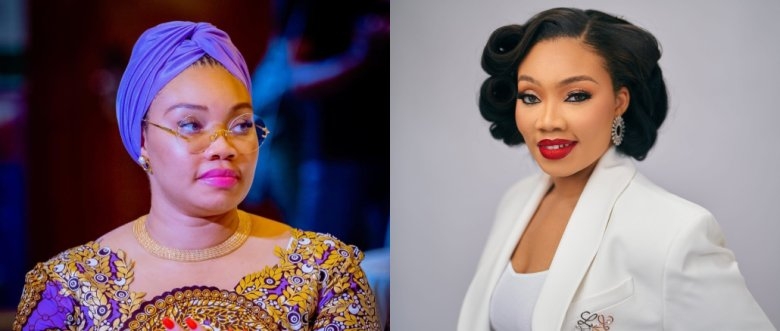
Chioma Uzodimma, the First Lady of Imo State, has stirred public discourse with her advice to men to treat their wives well once they achieve financial success, emphasizing that women who are loved and respected during prosperous times are more likely to stand by their husbands during hardships. Speaking in a widely shared message, she urged men to prioritize care and kindness toward their spouses, noting that emotional and physical support is often reciprocated when challenges arise. Her words have sparked both agreement and criticism across social media platforms, with many Nigerians reflecting on the dynamics of marriage and mutual responsibility.
In her statement, the First Lady said, “To all the men out there, once you start making money, take good care of your wife because every woman wants the best for her husband. If you take care of your wife while you have money, when the chips are down, she will also take care of you.” She acknowledged that money is not the sole foundation of a strong marriage, adding, “Even though, money is not everything.” Her message highlights the importance of emotional investment and partnership, even as financial stability becomes a reality.
However, not all Nigerians welcomed her advice with open arms. Some argued that support and sacrifice should be mutual from the beginning of a relationship, not conditional on wealth. Prince Morgan dismissed the advice as “useless,” questioning who would care for a man when he is poor in order to be repaid later. Others, like Ononiwu Michael, pointed out the importance of reciprocation, saying, “Nah if she been take care of me when I broke before becoming rich nah.” Supar Pascal echoed this sentiment, stating he would stand by his wife when she becomes wealthy and support her when she faces hardship.
Critics also questioned the context from which the advice was given. Wisdom Solomon suggested she was speaking from a “position of privilege,” while Kelechi Opara labeled her a “second wife,” implying her perspective might not reflect the realities of all married women in Nigeria. Vic Tor shared a personal anecdote, recounting how his uncle, despite caring for his wife during his rise to success, found himself abandoned during tough times, casting doubt on the universality of the First Lady’s advice.
Despite the backlash, the conversation has brought attention to the complex nature of marital expectations in Nigerian society. As debates continue online, the First Lady’s message remains a catalyst for reflection on love, loyalty, and the balance of effort in long-term relationships. Her words may spark further dialogue on how couples can build resilient marriages that endure beyond financial highs and lows.




Leave a Comment