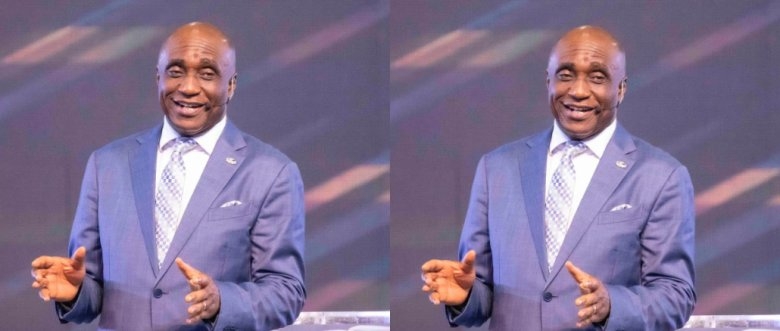
Pastor David Ibiyeomie, founder and presiding pastor of Salvation Ministries, has stirred a national conversation after questioning the practice of paying church instrumentalists, particularly drummers, for their service during worship. In a recent sermon, the cleric expressed concern that financial compensation for spiritual roles may hinder divine blessings, urging believers to serve God out of devotion rather than monetary gain. His remarks, rooted in biblical teaching, have sparked widespread debate among Nigerian Christians, church leaders, and social media users.
Ibiyeomie emphasized that true spiritual service should be motivated by a sincere desire to honour God, not by financial reward. He referenced Exodus 23:25, which states, “You shall serve the Lord your God, and He will bless your bread and your water,” to support his argument. According to him, when individuals are paid for their ministry roles, they may become limited to the level of their wages, missing out on greater spiritual and material blessings from God.
He stated emphatically, “The moment they pay you, the blessing stops,” adding that true prosperity comes from God’s blessing, not human wages. He further warned, “And the blessing of the Lord maketh rich, so you just remain at the level they are paying you. You will never rise. As you see, drummers who receive money never get rich.” These comments have resonated with some believers who view ministry as a sacrificial calling, while others challenge the notion, arguing that church workers, including musicians, invest time, talent, and effort that deserve recognition and compensation.
The issue has divided opinion across Nigeria’s diverse Christian community. Some church leaders agree that spiritual service should be voluntary and driven by faith, while others argue that financial support helps sustain church workers, especially those who dedicate full-time efforts to worship and ministry. Many instrumentalists point out that they often spend hours rehearsing, maintaining instruments, and traveling for services, making financial compensation a practical necessity.
Ibiyeomie’s sermon, shared widely on social media, has drawn both support and criticism. A tweet quoting his remarks went viral, with users debating the ethics of paying church musicians. The discussion highlights a broader tension in Nigerian churches between traditional views of spiritual service and modern realities of livelihood and professional engagement.
As the conversation continues, many are reflecting on how churches can balance spiritual motivation with practical support for their workers. The debate underscores the evolving dynamics of church operations in Nigeria, where faith and finance often intersect. In the coming weeks, more church leaders may weigh in, shaping how congregations approach compensation for ministry roles.




Leave a Comment