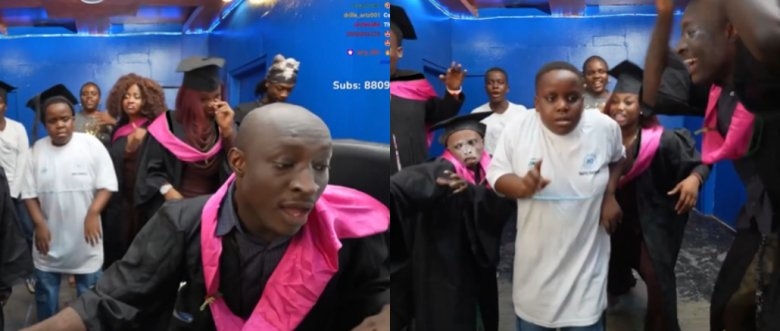
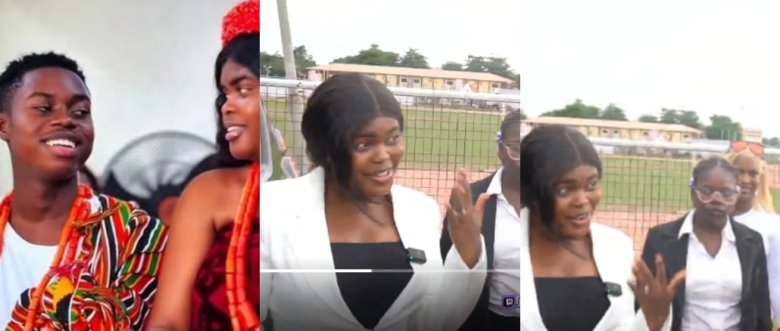
The livestream, hosted by popular content creator Carter Efe, became a viral moment as viewers expressed admiration for the children’s performances. Comments flooded in, with fans describing the young performers as “mini Mr Ibu” and praising their confidence and talent. The youngest son’s dance routine, in particular, was widely shared, with users applauding his rhythm, expression, and flair. Some viewers even compared his moves to those of his father during his prime in Nollywood comedy, drawing emotional responses from longtime fans of the late actor.
Mr Ibu, whose real name was Chinedu Ikedieze, was a beloved figure in Nigerian entertainment, known for his comedic roles and unforgettable characters. His passing left a void in the industry, and his children’s recent appearance has brought a sense of joy and nostalgia to many. Their participation in the livestream also marked a rare public moment for the family, who have largely stayed out of the spotlight since his death. The event was seen as a touching tribute to Mr Ibu’s legacy, with fans expressing hope that his children will continue to honor his memory through their own talents.
In another development, a man identifying himself as Ibrahim, a Fulani, has publicly declared his support for former Labour Party presidential candidate Peter Obi ahead of the 2027 general elections. In a video circulating on social media, Ibrahim stated that he would rather vote for Obi than support the continuation of the current administration. He emphasized that his decision is based on competence rather than religion or ethnicity, saying, “I, Ibrahim, a real Fulani boy, would rather vote for Peter Obi than repeat this government. That’s my choice.”
Ibrahim criticized past voting patterns rooted in religious and ethnic sentiments, arguing they have failed to deliver meaningful change. “We voted for religion, it didn’t work. We voted for tribalism, it didn’t work. We have to vote for the right person; that is the fact,” he said. He also raised concerns about insecurity in Fulani communities, citing daily killings, cattle rustling, and kidnappings. “We the Fulanis, every day we are losing our lives, our cows are being pursued and our brothers are being kidnapped,” he added, highlighting the need for greater visibility and protection for his people.
His statement has sparked conversations about inclusivity and political representation, with many calling for more voices from marginalized communities to be heard. As Nigeria approaches the next general elections, Ibrahim’s declaration underscores a growing trend of voters prioritizing competence and security over traditional affiliations. The future of Nigerian politics may well depend on such shifts in public sentiment.
Leave a Comment